Category: Privacy

  • How to Protect PDF With Password in Under a Minute

    How to Protect PDF With Password in Under a Minute

    Introduction

    A file leaves the outbox, and then the thought hits: that contract, grade report, or client invoice might be wide open to anyone who gets the link or email forward. Many people only think about security after a document has already traveled farther than expected. Learning how to protect PDF with password turns that nervous moment into a quick, repeatable step.

    When a PDF has password protection, the content does not just hide behind a popup. The file goes through encryption, so no app can read the text or images without the correct key. With the right settings, only people who know the password can open the file or change anything inside it.

    The good news is that learning how to password-protect a PDF does not require technical skills or paid software. This guide walks through why protection matters, the two different PDF passwords, and a clear, step-by-step process. Everything uses iLovePDFKit, a free, browser-based tool that needs no account, no download, and secures files with AES-256 encryption. By the end, anyone can protect invoices, research papers, contracts, and more in under a minute.

    Key Takeaways

    • There are two main PDF password types. One controls who can open the file, while the other controls what people can do after they open it. Knowing the difference helps match protection to each document.

    • A trusted online tool such as iLovePDFKit protects files with AES-256 encryption inside the browser. No software install or signup gets in the way, and files stay on the server only for a short time during processing.

    • Strong passwords matter as much as strong encryption. Aim for at least 12–16 characters, mix character types, and store each password in a secure password manager so that access stays safe but never lost.

    Why You Should Password-Protect Your PDF Files

    Person securing PDF documents on a laptop at a desk

    PDFs often carry the information people care about most. Common examples include:

    • Tax returns and pay stubs

    • Client proposals and signed agreements

    • Student transcripts and grade reports

    • Medical notes and insurance documents

    These files move through email chains, shared folders, and chat links, often without a second thought about who might see them next.

    Every extra hop creates a chance for the wrong person to gain access. A forwarded email, a mistyped address, or a shared laptop can put private data in front of someone who should never see it. Public Wi‑Fi and shared office computers add more risk, because files may stay in download folders or browser history.

    When someone learns how to protect PDF with password and uses that step every time a document carries sensitive data, they add a strong barrier. Even if the file lands in the wrong inbox, the content stays locked until the viewer types the correct password. This keeps personal, client, or student information from turning into a screenshot or printout in the wrong hands.

    Password protection also shows care and professionalism. Freelancers and small business owners who send secure PDFs signal respect for client privacy and match expectations under data rules such as GDPR or HIPAA. Encryption adds another layer, because it scrambles the data inside the file, not just the file name.

    “The safest data never leaves the device, but the next best choice is data that is encrypted and password-protected.”
    — Common security training advice

    Understanding The Two Types Of PDF Passwords
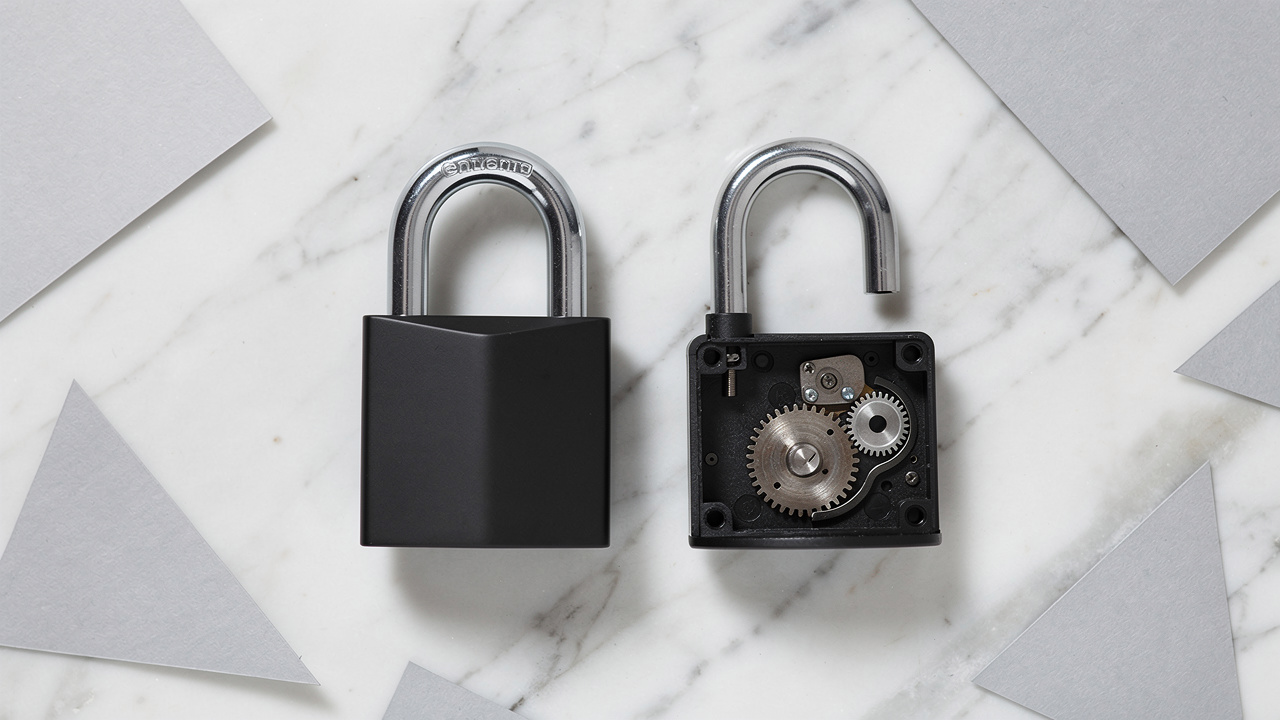
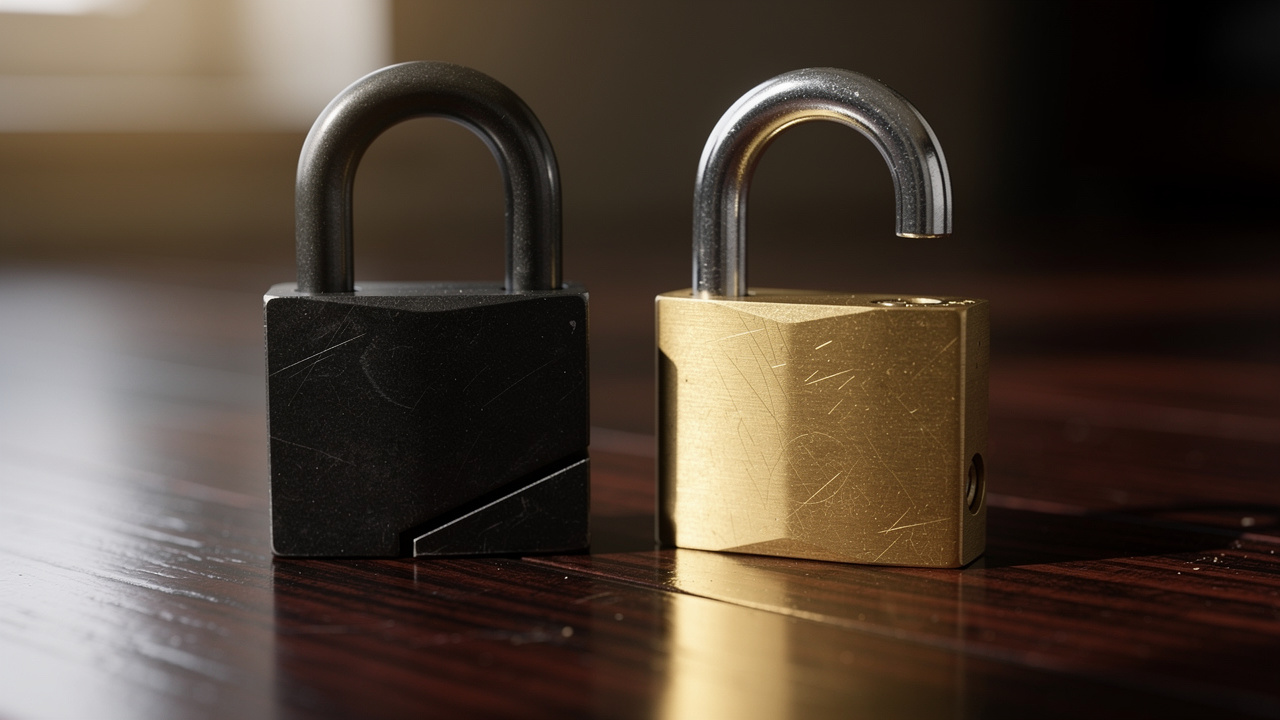
    Two padlocks representing the two types of PDF passwords

    Before deciding how to protect PDF with password, it helps to know that there are two different password roles inside the PDF format. One controls access to the file itself, and the other limits what people can do after they open it. Keeping both in mind makes it easier to choose the right setup for each document.

    Here is a simple overview:

    Password TypeAlso CalledWhat It ControlsTypical Use Case
    Document Open PasswordUser PasswordWho can open the filePay stubs, grade reports, confidential briefs
    Permissions PasswordOwner PasswordWhat people can do inside the fileContracts, templates, read-only reports

    A Document Open Password works like the lock on a front door. No content shows at all until someone enters the correct password. This fits any case where the main goal is privacy, such as personal records or internal reports. It is an all-or-nothing gate: people who know the password can open the file; people who do not see only a prompt.

    A Permissions Password controls actions rather than access. With this type, people may open the file, but they might not print, copy text, or edit pages without the owner password. This helps when a contract, template, or policy needs wide viewing but should not be changed or copied.

    You can also combine both password types. For example, a client might need a Document Open Password to read a report and then face extra limits from a Permissions Password that blocks printing or copying. For most daily needs such as invoices, research papers, and standard business PDFs, a simple Document Open Password is enough.

    How To Protect A PDF With A Password Using iLovePDFKit

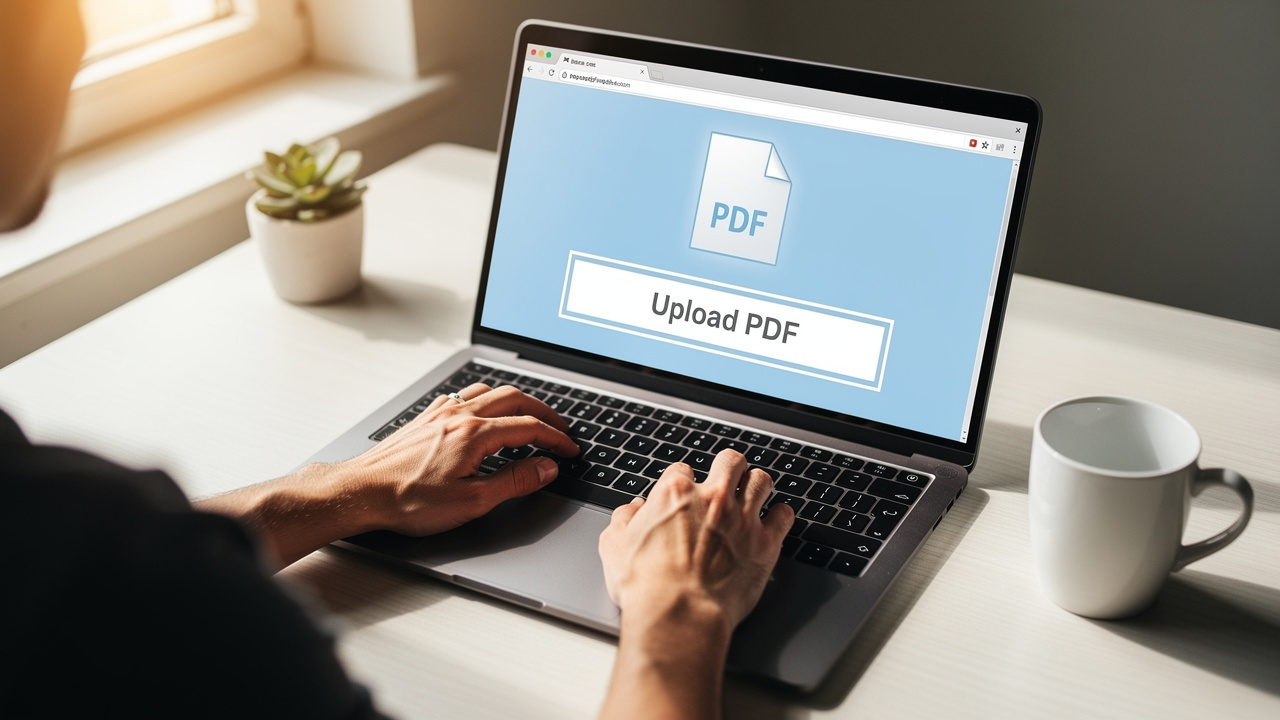
    User uploading a PDF file to an online password protection tool

    Once the basics are clear, the next step is the actual process. Many people search for how to protect PDF with password and expect a long setup, but with iLovePDFKit the whole task takes just a few clicks inside any modern browser.

    iLovePDFKit focuses on speed and privacy. The service is free to use, does not ask for signup, and runs directly in the browser. Files travel through SSL connections, and the tool applies AES-256 encryption to protect the content. Documents stay on the server only for the short time needed for processing, then auto-delete.

    Follow these steps to protect your first file:

    1. Open the iLovePDFKit password protection page.
      Start a browser tab and visit the iLovePDFKit PDF password protection page. The tool loads right away, with no account wall or trial form.

    2. Upload the PDF.
      Add the PDF that needs protection. Use the button to select a file from your device, or drag and drop the PDF into the upload area. If the file is in Google Drive or Dropbox, choose the cloud option and select it there.

    3. Create a password.
      Type the password that will guard the file. The field accepts any mix of letters, numbers, and symbols. A small strength meter appears and gives feedback on how hard the password is to guess.

    4. Confirm the password.
      Enter the same password in the second field. This step reduces the risk of a typo that could lock out the owner and anyone else who should open the document.

    5. Start protection.
      Click the button that starts protection of the PDF. iLovePDFKit encrypts the file with AES-256 and ties the password to the encrypted content so that only people who know it can read the data inside.

    6. Download the protected PDF.
      When processing finishes, download the new protected PDF to your device or back into your preferred cloud folder. The file name usually stays the same, so it helps to add a short note such as “_secured” when saving.

    iLovePDFKit does not store your password and deletes files right after processing finishes, so sensitive contracts, reports, and records stay under the owner’s control.

    When protection is no longer needed, iLovePDFKit also offers a PDF password removal tool. It requires the current password, because the service does not break or guess encryption. This fits cases where an owner wants to share a public version of a file that was private in the past.

    “Security is a process, not a product.” — Bruce Schneier
    Using a simple, repeatable process like this for every sensitive PDF is one of the easiest ways to keep data safer.

    Best Practices For Creating A Strong PDF Password
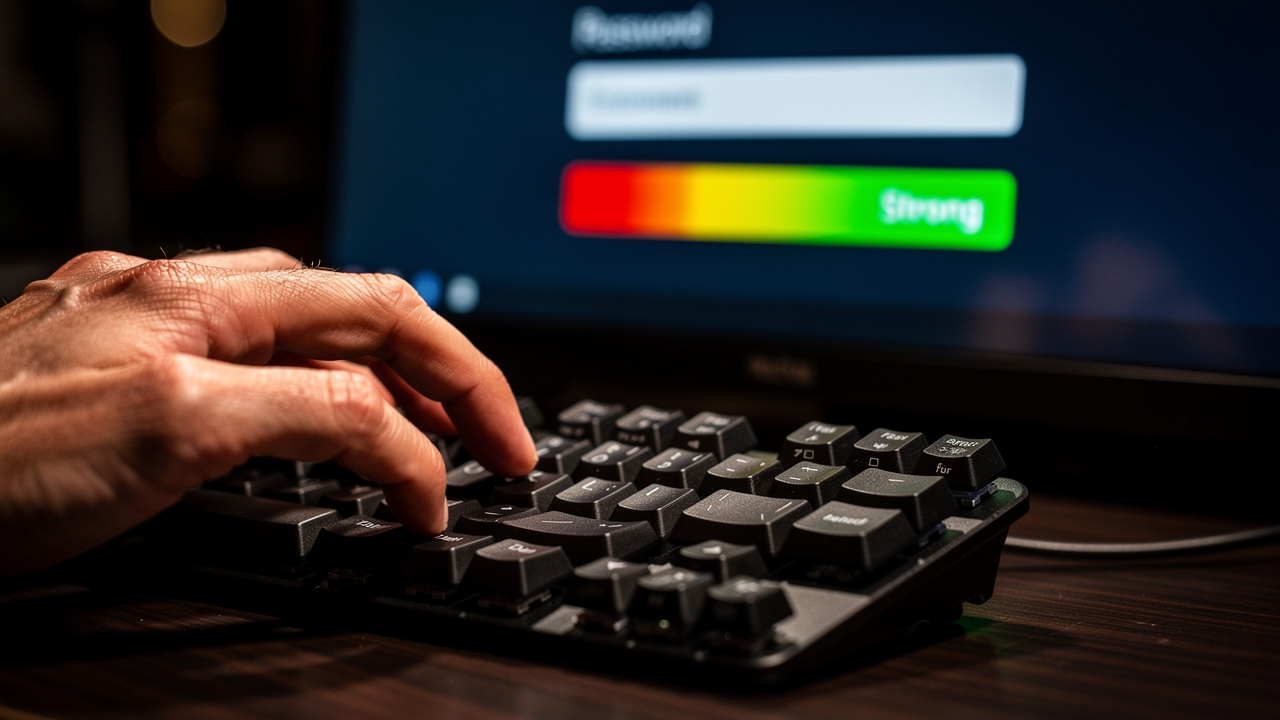
    Typing a strong password with a green strength indicator on screen

    Strong encryption only helps when the password itself is hard to guess. A simple code such as “1234” or “password” makes any guide on how to protect PDF with password much less effective, because automated tools can guess those in seconds.

    Use this short checklist to build better passwords for protected PDFs:

    • Length matters more than most people think. Aim for at least 12–16 characters so that guessing tools need far more attempts to hit the right combination.

    • Character mix adds another layer of difficulty. Combine uppercase and lowercase letters with numbers and symbols, so that the pattern does not follow common words on a keyboard.

    • Personal details often appear in social feeds or public records. Avoid first names, birthdays, pet names, street names, or simple swaps such as adding a number at the end of a familiar word.

    • Common words and simple sequences belong on a block list. Examples include “document”, “secure”, “qwerty”, “abc123”, and similar strings that attackers test early in any guessing attempt.

    • Passphrases can be easier to recall and much harder to guess. A line such as “Blue!Mango-Cloud9Desk” mixes several words with symbols and numbers, which gives both length and variety.

    • Password reuse turns one weak point into many. Give each protected PDF its own password, or at least avoid using the same phrase that guards email, banking, or cloud accounts.

    Tools such as iLovePDFKit show a live strength indicator while the password is typed. Aim for the strongest rating before clicking the protect button. If a Document Open Password is lost, the encrypted content stays locked, so store these passwords in a trusted password manager instead of on sticky notes or plain text files.

    Conclusion

    Putting a lock on a PDF is no longer a task just for IT teams. With a clear sense of the two password types and a simple browser tool, anyone can learn how to protect PDF with password in minutes. That small habit keeps grade reports, invoices, contracts, and research papers from drifting into the wrong inbox or download folder.

    Choosing the right mix of Document Open and Permissions passwords gives control over both access and actions. Pair that with a hard-to-guess passphrase and strong encryption, and even a shared link carries far less risk.

    iLovePDFKit brings this level of protection to any device with a modern browser. The service stays free, skips account creation, uses AES-256 plus SSL, and removes files right after each task. Head to iLovePDFKit’s PDF password protection page and secure the next important document before sending it, a process that often takes less than a minute from upload to download.

    FAQs

    Can I Password-Protect A PDF For Free?

    Yes. You can password-protect a PDF for free without installing software. iLovePDFKit offers an online tool that shows exactly how to protect PDF with password directly in the browser. The service uses AES-256 encryption with secure SSL connections and removes files right after processing finishes.

    What Happens If I Forget My PDF Password?

    If the Document Open Password is forgotten or typed incorrectly, the file stays locked and the content does not appear. iLovePDFKit does not store passwords and does not bypass encryption, which keeps private data safe. The best habit is to store every PDF password in a trusted password manager from the moment it is created.

    Is It Safe To Upload Sensitive Documents To An Online PDF Tool?

    With a trusted service such as iLovePDFKit, uploads and downloads move through SSL connections that protect data during transfer. Files go through real-time processing on secure servers and then auto-delete right after the task finishes, so nothing stays stored. For highly sensitive records, avoid unknown tools that do not clearly explain how they handle files.

    Can I Remove A Password From A PDF I Own?

    Yes, as long as the current password is known. iLovePDFKit has a PDF password removal feature that takes the original protected file plus its correct password and then saves a new copy without that lock. The tool does not guess or break unknown passwords, which keeps protection strong for files that stay private.

  • How to Digitally Sign a PDF in Your Browser

    How to Digitally Sign a PDF in Your Browser

    Introduction

    The last time a contract landed in an inbox, did it turn into a mini office project with printing, signing, scanning, and renaming files? Learning how to digitally sign a PDF turns that whole mess into a quick two‑minute task inside a browser. No printer, no scanner, and no running around looking for ink.

    A digital signature is simply an electronic version of a handwritten signature placed directly on a PDF file. Instead of writing on paper, the signer clicks, types, or draws a name on screen. Thanks to the Electronic Signatures in Global and National Commerce Act (ESIGN Act) in the US, these electronic signatures are legally valid for most everyday documents, from contracts and HR forms to school paperwork. Many other countries have similar laws that recognize electronic signing.

    The best part is that learning how to digitally sign a PDF does not require technical skills. With the right tools, someone can upload a file, create a signature, click once to place it, and download a finished, signed PDF in minutes. Before that, a quick pass through a browser-based toolkit such as iLovePDFKit helps make sure the document is clean, correctly formatted, and ready to sign.

    By the end of this guide, students, freelancers, office staff, and small business owners will know exactly how to digitally sign a PDF, how to prepare files first, and how to keep signed documents safe. The process is simple, repeatable, and fits neatly into everyday work.

    Key Takeaways

    This quick summary highlights the main ideas before diving into the full step-by-step guide.

    • Digitally signing a PDF replaces printing and scanning with a short online process. A browser, an internet connection, and a clear PDF are usually all that are needed. Once someone learns how to digitally sign a PDF, most paperwork tasks feel much lighter.

    • A signature can come from typing, drawing, or uploading an image of a handwritten name. Each method is accepted for normal contracts and forms. The choice depends on what feels more natural and professional for the signer.

    • Online tools often work straight from the browser with no software download or registration. iLovePDFKit fits into this flow by preparing documents securely and at no cost. After preparation, any trusted e‑sign service can handle the actual signature.

    • Electronic signatures are legally valid for most routine agreements under laws such as the ESIGN Act, as long as the signer clearly shows intent to sign and the record is stored in a reliable way.

    What Is A Digital Signature And Why Does It Matter?

    Person signing a PDF document on a tablet with a stylus

    Before digging into how to digitally sign a PDF, it helps to understand what a digital signature actually is. At a basic level, it is an electronic way to show agreement with the contents of a PDF, just like writing a name on paper — covering everything from the underlying cryptography to how digital signatures and certificates work together to verify identity. The signer clicks to add a signature area, confirms it, and the mark becomes part of the file.

    People often hear both electronic signature and digital signature used in similar ways. In strict technical terms:

    • A digital signature usually includes extra cryptographic protection under the hood that can help confirm who signed and whether the file has been changed — and developers working in C# environments can find a technical deep-dive on how to digitally sign and verify PDF signatures programmatically.

    • An electronic signature is any sign of consent, such as a typed name, a checkbox, or a drawn squiggle.

    For everyday use, especially when thinking about how to digitally sign a PDF for school, work, or client projects, both terms point to the same idea and are widely accepted.

    In the United States, the ESIGN Act gives electronic signatures legal force for most types of agreements. That means a signed PDF contract, a freelance statement of work, or an HR form is treated just like a paper document. A few document types, such as wills or certain court forms, may still require special rules, but ordinary business and school files are covered.

    “A signature, contract, or other record relating to such transaction may not be denied legal effect, validity, or enforceability solely because it is in electronic form.”
    — U.S. Electronic Signatures in Global and National Commerce Act (ESIGN), 15 U.S.C. § 7001

    Digital signatures also solve several security problems that come with paper. Instead of copies lying around on printers and scanners, everything stays inside secured online tools and the signer’s devices.

    • Many signing platforms keep an audit trail with dates, IP addresses, and actions. This record shows who opened the document, when they signed, and what changed, which makes faking a signature much harder.

    • Sharing often happens through protected links rather than email attachments. That approach limits how many uncontrolled copies of the PDF end up on random computers and inboxes.

    • Strong services offer options such as password-protected downloads or view-only links. These extra steps help keep contracts, grades, and payment details away from unintended readers.

    Because of these benefits, students uploading enrollment forms, office professionals managing HR packs, and freelancers closing client deals all gain from knowing how to digitally sign a PDF the right way.

    How To Digitally Sign A PDF: Step-By-Step

    Laptop browser open with PDF signing tool ready to use

    Most modern tools follow the same basic path, so once someone understands these steps, they can apply them almost anywhere. This section walks through how to digitally sign a PDF from start to finish.

    1. Prepare And Upload The PDF

      Start by opening a trusted online signing tool in the browser, then upload the document. This usually happens through a drag-and-drop area or a simple upload button. If the file is a Word, Excel, PowerPoint, or image instead of a PDF, first send it through iLovePDFKit to convert it into a clean, pixel-perfect PDF so formatting and fonts stay intact before signing. Always double-check that the document is final, because editing after signing may require a fresh signature.

      Before moving on, take a moment to:

      • Scan for spelling mistakes or missing pages.

      • Confirm that all fields and blanks are visible.

      • Remove any draft comments that should not appear in the final copy.

    2. Open The Signing Tools

      Once the PDF is uploaded, the service displays it in an online editor — if you need a practical walkthrough of adding a signature to a PDF using browser-based tools, detailed guidance on how to add signature fields and place them correctly can help clarify the process. A toolbar or side panel usually holds options named something like Sign, Fill And Sign, or similar. Some platforms ask the user to create a free account so the signature can be reused, while others allow signing without registration, which keeps the process very quick.

    3. Create The Electronic Signature

      The next step in learning how to digitally sign a PDF is creating the actual signature. Most tools offer three simple methods so the signer can choose what feels best.

      • Type the signature. This is the fastest choice. The signer types a full name into the box, and the tool shows several handwriting-style fonts. Picking one gives a clean, readable mark that works well for formal contracts and forms.

      • Draw the signature. This gives a more personal touch. Using a mouse, trackpad, finger, or stylus, the signer writes out their usual signature in the box. It might take a couple of tries to look right, but the result looks very close to ink on paper.

      • Upload a signature image. This keeps things as close to the real thing as possible. The signer writes on white paper with a dark pen, takes a clear photo, and uploads the image. The tool trims the background and turns it into a digital stamp that can be reused.

      All three approaches are accepted for normal business, school, and personal paperwork, so the choice is mainly about style and convenience.

    4. Place The Signature On The Document

      After the signature is created, it appears on screen as a movable object. The signer clicks and drags it to the correct spot, such as the signature line at the end of the document. Most tools let the user resize the signature so it fits neatly inside the space. At this stage, it is also easy to add other details like the signing date, printed name, initials on certain pages, or checkmarks in required boxes.

    5. Finalize, Download, And Share

      The last step in how to digitally sign a PDF is locking everything in. The signer scrolls through the pages to confirm that every field looks correct and nothing is missing. Then they click a button labeled Finish, Apply, Done, or something similar, which embeds the signature into the file.

      After that, the signed PDF can be:

      • Downloaded and stored on a computer or phone.

      • Saved to cloud storage in a clearly named folder.

      • Shared directly from the tool through a secure link, which keeps email attachments to a minimum.

      Keeping a separate backup copy, organized by client or project name, makes future reference much easier.

    How To Prepare Your PDF Before Signing With iLovePDFKit

    Professional woman preparing a PDF document in a browser tool

    Many headaches with signing happen before anyone thinks about how to digitally sign a PDF. Pages might be out of order, the file may still be in Word format, or images might appear blurry after export. Fixing these issues at the last minute wastes time and can delay important agreements or submissions.

    This is where iLovePDFKit fits into the workflow as a document preparation companion. Instead of handling signatures, it focuses on getting files ready for that stage. Students can turn essays and research papers into polished PDFs. Office staff can combine reports and exhibits. Freelancers can turn messy scans or mixed file formats into a single professional document.

    iLovePDFKit works entirely in the browser, so there is no software to install and no account to create. Someone can open the site, upload a file, choose the needed action, and download the result within moments.

    Key benefits that make iLovePDFKit helpful before signing include the following points.

    • Accurate conversions keep every detail of the original file. Fonts, images, margins, and spacing stay exactly where they belong, which means there is no need to fix broken layouts just before signing.

    • Works on almost any device. The service runs on any modern device with a browser. Desktop computers, laptops, tablets, and phones can all turn Word, Excel, PowerPoint, JPG, and PNG files into clean PDFs that are ready to send to a signing tool.

    • Encrypted transfers use SSL from the moment files leave the device. Processing happens automatically in real time, and there is no manual review of content, which helps protect sensitive information.

    • Short-term processing means both the original and converted files are removed from iLovePDFKit servers soon after processing and download. Since the platform does not keep files for long periods, there is much less risk of someone accessing old documents without permission.

    • Free tools without watermarks are available for document preparation. That is especially helpful for students and small businesses who need to manage costs while still sending professional-looking documents.

    Once a document has passed through iLovePDFKit and looks correct, it is ready for whichever signing service the user prefers. From there, the steps for how to digitally sign a PDF stay the same every time.

    Conclusion

    Two professionals shaking hands after completing a digital contract

    Paper-based signing made sense when printers and scanners were the only option, but that era has passed. Knowing how to digitally sign a PDF means contracts, school forms, and client agreements can be reviewed, signed, and returned within minutes from almost any device. The process is fast, secure, and legally valid for most everyday documents in the United States.

    There are really two simple phases. First, prepare the file so it looks polished and is in PDF format, which is where iLovePDFKit shines with clean conversions, merging, and compression. Second, send that finished PDF into a trusted e‑sign tool to create and place the actual signature.

    Anyone can start right now by opening iLovePDFKit, converting a document to a clear PDF, and then following the steps in this guide. Whether someone is a student, a freelancer, or an office professional, getting a document signed digitally is now one of the easiest tasks to handle online.

    FAQs

    Electronic signing raises a few common questions, especially for people new to the process. These quick answers clear up the most frequent concerns about how to digitally sign a PDF in a safe and reliable way.

    Is A Digital Signature On A PDF Legally Binding In The US?

    Yes, a properly applied electronic signature is generally legally binding in the United States under the ESIGN Act. That covers most everyday documents such as contracts, school forms, and business agreements. Certain types of documents, including wills or some court filings, may still require special procedures set by local law.

    Can I Digitally Sign A PDF For Free?

    Yes, many browser-based tools let users sign a limited number of PDFs at no cost. iLovePDFKit is completely free for document preparation, so files can be converted to polished PDFs before sending them to a signing service. Some dedicated signing platforms may place limits on how many documents can be signed each month on their free plans.

    Do I Need To Download Software To Sign A PDF Digitally?

    No, in most cases downloading software is not necessary. Modern signing tools run directly in the browser on Windows, macOS, and mobile devices. iLovePDFKit also works fully online, so converting files and preparing them for signature can happen from any device with internet access.

    Is It Safe To Upload My Documents To An Online Signing Or Preparation Tool?

    Yes, as long as the service follows strong security practices. Look for SSL-encrypted connections, clear privacy policies, and a promise to remove files from servers once processing is finished. iLovePDFKit uses encrypted uploads, real-time automated handling, and a short-term storage approach, which reduces the chance that sensitive contracts or forms remain on remote systems longer than needed.

    What Is The Difference Between A Digital Signature And An Electronic Signature?

    A digital signature adds technical protections, such as cryptographic checks, that can help verify the signer’s identity and detect tampering. An electronic signature is any electronic mark that shows agreement, including a typed name, clicked checkbox, or drawn signature. For most everyday PDFs, standard electronic signatures are accepted, but some highly regulated industries may prefer cryptographic digital signatures.

  • Removing Password From PDF: Simple Methods Explained

    Removing Password From PDF: Simple Methods Explained

    Introduction

    Everyone has that moment: a deadline is close, the report is ready, and the file is stuck behind a password prompt. The document is yours, yet opening or sharing it suddenly feels harder than writing it. At that point, removing password from PDF stops feeling optional and becomes urgent.

    We see this often with students, office teams, and small business owners. A thesis draft cannot be printed, a contract cannot be edited, or a client cannot review a proposal because the PDF is locked.

    This guide walks through clear, safe ways to remove a password from a PDF that you own and are allowed to edit. We focus only on legitimate use where the current password is known. You will see how to do it with iLovePDFKit in the browser, when desktop software is a better fit, and where the hard limits are.

    Before we dive into the details, here is a short overview.

    Key Takeaways

    If you are in a hurry, these points cover what matters most when you need help with removing password from PDF.

    • PDF files use two main password types. A Document Open password stops anyone from opening the file without the code. A Permissions password lets people read the file but can block printing, copying, or editing.

    • Every safe method for removing a PDF password starts the same way: we must already know the current password, and the tool only removes it after we enter that code. No trusted service will guess or break a password for us.

    • iLovePDFKit gives fast, free, browser‑based PDF work with strong privacy. Desktop apps help when files must stay offline. Both approaches process files securely and remove them soon after the work is done.

    Understanding PDF Password Types Before You Remove Them

    Two padlocks representing different PDF password types

    Before we talk about removing password from PDF, it helps to know what type of lock you are dealing with. PDF security is not all the same. Some passwords block access to the file, while others allow reading but restrict actions like printing or editing.

    A Document Open password is the strict option. When this is set, opening the PDF always shows a prompt asking for the code. Without the right text, no one can view, print, or copy from the document. This is common for files that carry grades, salaries, contracts, or other sensitive data — and researchers have shown that even password-protected PDFs can carry risks, as outlined in this piece where Researchers Find New Hack to read content of password-protected PDF files.

    A Permissions password works differently. The file opens without a prompt, so anyone who has the PDF can read it. However, the creator can block actions such as editing, copying text, adding comments, or printing pages. To turn these limits off, you need the Permissions password inside a PDF editor or trusted tool.

    Here is a quick comparison that sums up both types:

    FeatureDocument Open PasswordPermissions Password
    Blocks file access✅ Yes❌ No
    Restricts editing or printingN/A✅ Yes
    Password needed just to view✅ Yes❌ No
    Password needed to remove protection✅ Yes✅ Yes

    Once you know which type is in use, removing a PDF password becomes clearer, and it also makes sense why every method still asks for the password at least once.

    How To Remove A PDF Password Using A Free Online Tool

    Person uploading PDF file to browser-based online tool

    For most people, the quickest way of removing password from PDF is an online tool that works directly in the browser. This avoids installing software, asking for admin rights at work, or dealing with updates. That is exactly where iLovePDFKit helps.

    iLovePDFKit is built for quick tasks that pop up during class, meetings, or freelance work. The service is free to use, does not ask for signup, and runs in any modern browser on Windows, macOS, Linux, phones, or tablets. When you remove a password from a PDF with our tool, processing happens in real time on our servers.

    Security sits at the center of this process. Files travel with SSL encryption, are stored only while the task runs, and are erased automatically right after. For tools that add protection, we use AES‑256 encryption and never store the password itself. The same care applies when we help with removing password from PDF, so documents stay private.

    Here is how the online method works, step by step:

    1. Open iLovePDFKit In Your Browser
      Visit our website from any device with internet access. There is no need to download a program or create an account. The remove password from PDF tool sits alongside our other PDF tools and is ready whenever you need it.

    2. Add Your PDF File
      Click to choose a file from your computer, or drag and drop it into the upload area. If you prefer cloud storage, you can import from services such as Google Drive or Dropbox. In every case, the file reaches us through an encrypted connection.

    3. Confirm That You Know The Password
      After upload, the tool checks the file and notices that it is protected. A prompt asks for the current password so we can continue. Enter the same password you use to open the PDF on your own device, which confirms that you are allowed to edit it.

    4. Start The Password Removal Process
      With the correct code entered, start the task with a single click on the button that removes the password. The iLovePDFKit engine reads the file, takes away the requested protection, and creates a new copy. This usually takes only a few seconds.

    5. Download The New PDF Without A Password
      When the task finishes, a clear link appears to save the fresh copy. You can store it on the local device or send it back to the same cloud drive used earlier. The new document opens without a prompt, so printing and sharing are much faster.

    iLovePDFKit processes files in seconds and deletes them right after the task finishes, so documents and passwords never stay on our servers.

    This method fits our main audiences very well:

    • Students can remove passwords from lecture notes or old assignments on shared campus computers without asking to install anything.

    • Office workers can handle protected invoices or reports directly in the browser they already have open.

    • Freelancers and small business owners get a free, fast way of removing password from PDF files from any laptop or phone.

    For most everyday files where you know the password and just want quick access, iLovePDFKit is the easiest tool to keep in mind. In the next section, we cover when desktop software makes more sense.

    How To Remove A PDF Password With Desktop Software

    Desktop computer with PDF editor security settings open

    Sometimes removing password from PDF needs to happen fully offline. This can be the case for internal company reports, medical records, or any file that workplace rules say must never be uploaded anywhere. In these cases, desktop software that runs on your own machine is the better fit.

    Popular PDF editors on desktop, such as Adobe Acrobat Pro and similar tools, can remove both types of passwords as long as you know the current code — Adobe itself offers guidance on Protecting privacy: Securely removing PDF passwords for data safety. The free Adobe Acrobat Reader can open a protected file when the password is entered, but it cannot save a new copy without that protection. For removing password from PDF, a full editor or another paid tool is usually required.

    For a PDF with a Permissions password, the steps in a desktop editor usually look like this:

    1. Open The PDF In The Desktop Editor
      Start the program and open the protected file. Because a Permissions password only limits actions, the content normally appears right away, even if editing and printing are blocked.

    2. Go To The Protection Settings
      In the toolbar, look for a section that handles security features. In Adobe Acrobat Pro this sits under Tools → Protect → Encrypt. Other editors use similar paths.

    3. Remove The Security And Confirm The Password
      Inside the security settings, choose the option that turns off protection for the current file. When the program asks for the Permissions password, type the code you already know. Once confirmed, the restrictions on editing and printing are removed.

    4. Save A Fresh Copy Of The File
      Save the PDF using Save or Save As. The new copy opens without extra prompts and allows edits, copying, and printing according to the changes you made.

    For a PDF with a Document Open password, the flow is almost the same, with one extra step at the start:

    1. Open The PDF And Enter The Password
      When you open the file, the program asks for the Document Open password before showing anything. Type the code to access the content.

    2. Go To The Same Protection Menu
      Once the file is open, use the same path to reach the security settings, such as Tools → Protect → Encrypt, and choose the option that turns off security.

    3. Confirm Removal And Save
      The editor may ask if you really want to remove the password. After you agree, save a new copy. From then on, that PDF opens without a password request.

    Desktop software keeps the entire process on your computer, which can be important when company policy is strict. It often includes extra tools like redaction, form editing, and batch work. The trade‑off is cost and the need to use the same device where the software is installed.

    When You Cannot Remove A PDF Password — Key Limitations

    Heavy vault door representing PDF password removal limitations

    With all this talk about removing password from PDF, it is important to be clear about what cannot be done. Trusted tools, online or offline, must respect the limits set by file owners, laws, and security standards. That is why the same simple rule appears again and again: we must know the current password, and some special types of protection cannot be removed at all.

    “Security is a process, not a product.” — Bruce Schneier

    Here are the main limits that matter in practice:

    • 🔒 Forgotten Passwords
      When a password is forgotten, regular tools cannot help. They always ask for the code first, even if you only want to take the lock away. This protects sensitive information from being opened by guesswork. In business settings, an IT team may hold backup copies of important passwords.

    • 🏢 Server‑Based Security
      Some PDFs use server‑based security that comes from a central system. Large companies and public offices often protect documents in this way. Only an administrator or the person who set up the policy can change or remove it. Web tools like iLovePDFKit and home software cannot override these rules.

    • ✍️ Digitally Signed Or Certified PDFs
      Many official PDFs carry digital signatures or certificate‑based locks. These features prove that the file has not been changed since the signer approved it. Taking away the password would damage that proof, so trusted tools simply refuse to do it. The only safe path is to ask the signer for a new version.

    • 📚 DRM‑Protected E‑Books And Paid Content
      E‑books and other paid content often rely on digital rights management (DRM). This extra layer is meant to stop copying or sharing beyond the license. Standard PDF editors and online tools are not able to remove DRM, and trying to bypass it may break store rules or local law.

    If none of these limits apply and you know the password, removing password from PDF is safe and simple with tools such as iLovePDFKit or desktop apps. Knowing where the line sits helps set fair expectations and keeps your work on the right side of policy.

    Conclusion

    Person relieved after successfully removing PDF password

    Password protection has a clear role, but it should not block your own work once access is allowed. When you understand the difference between Document Open and Permissions passwords, removing password from PDF feels less like a puzzle and more like a short routine.

    For everyday study, work, and freelance projects, iLovePDFKit offers the quickest path: open the site, add the file, type the known password once, and save a fresh copy in seconds. There is no software to install, no account to remember, and files are erased right after processing.

    Desktop software still has a place when documents must stay offline or when you work with very strict company rules. In many other cases, though, the browser is enough. The next time a report, thesis, or invoice appears with a lock icon, you can head to iLovePDFKit, upload the PDF, and remove the password without stress.

    FAQs

    We hear the same questions again and again when people talk about removing password from PDF. Here are short answers that clear up the most common doubts.

    Can I Remove A PDF Password If I Have Forgotten It?

    No, not with regular, trusted tools. Every method we describe, including iLovePDFKit and desktop editors, asks for the current password before changing security. These tools are made to remove a password that you already know, not to guess or break one. In some offices, an IT team or document owner may be able to reset access through their own systems.

    Is It Safe To Upload A Sensitive PDF To An Online Tool Like iLovePDFKit?

    Yes, as long as the service treats privacy with care. iLovePDFKit uses SSL encryption for every upload and download, so files cannot be read in transit. Documents are stored only while the task runs and are deleted from our servers right after. We do not keep the password entered during removing password from PDF. For highly secret files that must never leave a closed network, offline desktop software remains the safer choice.

    Do I Need To Pay Or Create An Account To Use iLovePDFKit?

    No, iLovePDFKit is free to use and does not ask for registration. You simply visit the site, choose the tool for removing password from PDF, add the file, and start the task. This makes it easy to handle one‑time jobs on borrowed devices, school computers, or a quick work session without new logins or fees.