Blog

  • How to Unlock PDF Files Safely in Seconds

    How to Unlock PDF Files Safely in Seconds

    Table of Contents

    Introduction

    Getting stuck outside a password-protected PDF right before a deadline is stressful.

    Many online tools look confusing, paid, or unsafe.

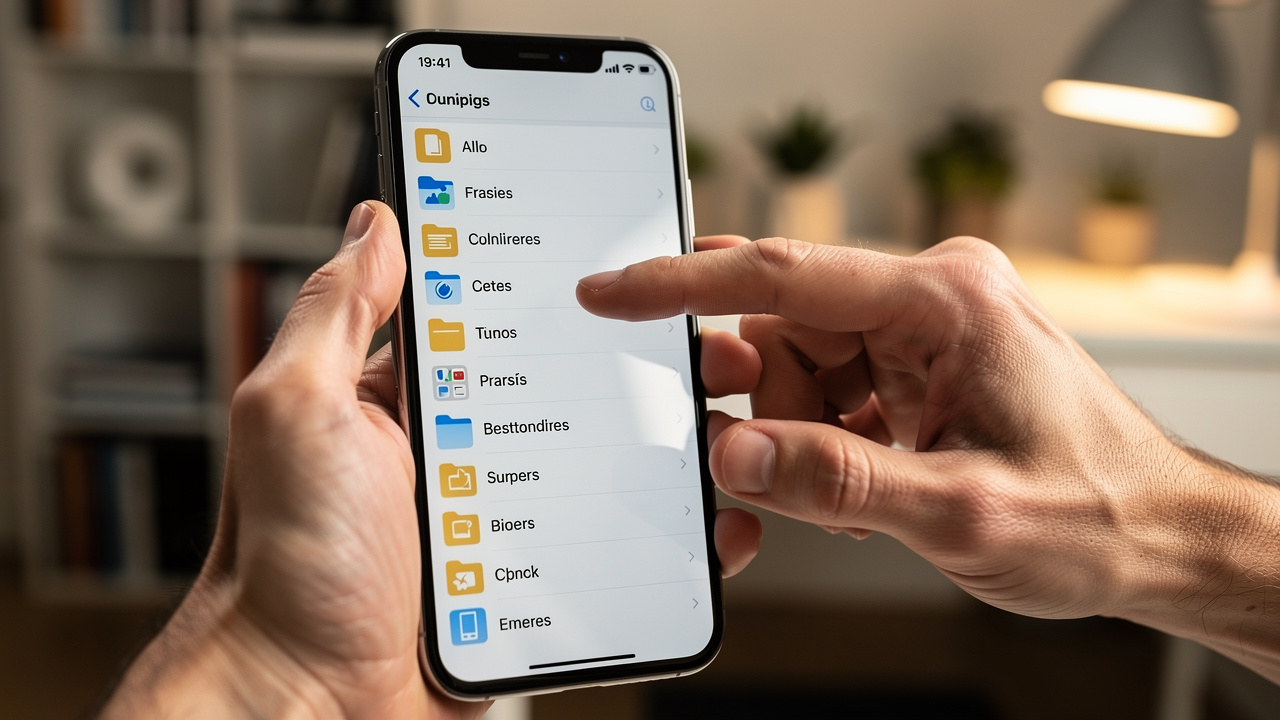
    The simplest answer to how to remove a password from a PDF is to use a secure web tool that runs in your browser. Services such as iLovePDFKit clear the password after you type the current code, then give you an unprotected copy in seconds. This guide explains:

    • The two main kinds of PDF protection

    • Step-by-step online password removal with iLovePDFKit

    • Adobe Acrobat as an offline option

    • Safety and privacy when you upload a file

    • How to lock your PDFs again

    Keep reading to go from blocked PDFs to clean, editable documents fast.

    Key Takeaways

    Here is a quick cheat sheet. It covers the main ideas in this guide. You can scan it now and come back later.

    • PDFs use open passwords and permission passwords. One stops anyone from opening the file. The other blocks edits, copies, or prints.

    • iLovePDFKit removes passwords inside your browser for free. No account or extra software is needed. You only need the current password.

    • Online tools use encryption and delete files after work ends. You can remove protection, edit, and then protect the PDF again to keep control of your content.

    What Is A Password-Protected PDF And Why Might It Need Password Removal?
    Person working on a laptop to open a PDF document

    A password-protected PDF is a file that needs a code to open or that blocks editing, printing, or copying. Removing password protection means clearing that code or those limits so the file behaves like any normal document. Many people search how to remove a password from PDF because they simply need to read, quote, or update their own content.

    There are two main kinds of protection that matter here. Knowing the difference helps you pick the right method and the right tool, and it keeps you on the safe side of legal and ethical rules.

    • Document open password stops anyone from opening the file until the correct password is entered. Every time someone tries to view the PDF, the prompt appears first. If the real password is lost, tools such as iLovePDFKit, Adobe Acrobat, or Smallpdf cannot just guess it, since modern encryption is very strong.

    • Permissions password allows the file to open but limits actions such as printing, copying text, filling forms, or editing pages. These rules sit on top of the visible content. Some older or weaker permission setups can be removed more easily, but you should only change them when you have the right to do so.

    You are likely to meet protected PDFs in everyday work:

    • Students download readings from a learning portal and then cannot copy a quote into a paper.

    • Office staff receive vendor contracts or policy manuals that need small edits.

    • Freelancers get locked briefs or invoices from clients and need to adjust amounts or dates.

    Blocked files also slow work down.

    Research from McKinsey shows that knowledge workers spend about 1.8 hours each day just searching for information, and extra friction from restricted PDFs only adds to that waste.

    Removing protection, when you are allowed to, gives you faster access to your own material and keeps projects moving.

    How To Remove A PDF Password Online Using iLovePDFKit (Free, No Software Needed)
    Laptop and smartphone showing an online PDF tool in a browser

    Using an online tool such as iLovePDFKit is the simplest way to remove a PDF password when you already know the code. You open a page in your browser, upload the file, type the password once, and download a clean copy without limits. This fits the common need for a free online way to open a locked PDF without installing software.

    Because iLovePDFKit runs fully in the browser, it works on Windows, macOS, Linux, Chromebooks, iOS, and Android. You do not create an account, and there are no daily caps or file size paywalls. Many people compare tools such as iLovePDFKit, Smallpdf, or iLovePDF, but iLovePDFKit focuses on being fully free and registration-free.

    All transfers use encrypted connections, so your PDF and password travel securely between your device and the service. Files stay on the server only while the task runs, then they are removed.

    According to PCWorld, modern free web PDF tools can now handle many everyday jobs that once required paid desktop apps, which makes this kind of service a smart default for most users.

    After you remove a password from a PDF with iLovePDFKit, you can send it straight into other tools on the same site. You might:

    That way, one visit solves several document tasks at once.

    Step-By-Step: Remove PDF Password With iLovePDFKit
    Sequential stones representing a simple step-by-step process

    The exact steps for how to remove a password from PDF files with iLovePDFKit are simple and quick. You can follow them from any modern browser on a laptop, tablet, or phone. Start with a stable internet connection and the current password for the file.

    1. Open The iLovePDFKit Website In Your Browser
      Type the address into Chrome, Firefox, Safari, or Edge and load the home page. Look for the tool that removes passwords from PDF files. The same clean layout appears on desktops and mobile devices, so you do not need to learn a new interface. iLovePDFKit keeps the number of buttons low so the next step always feels obvious.

    2. Upload Your Locked PDF From Your Device Or Cloud Storage
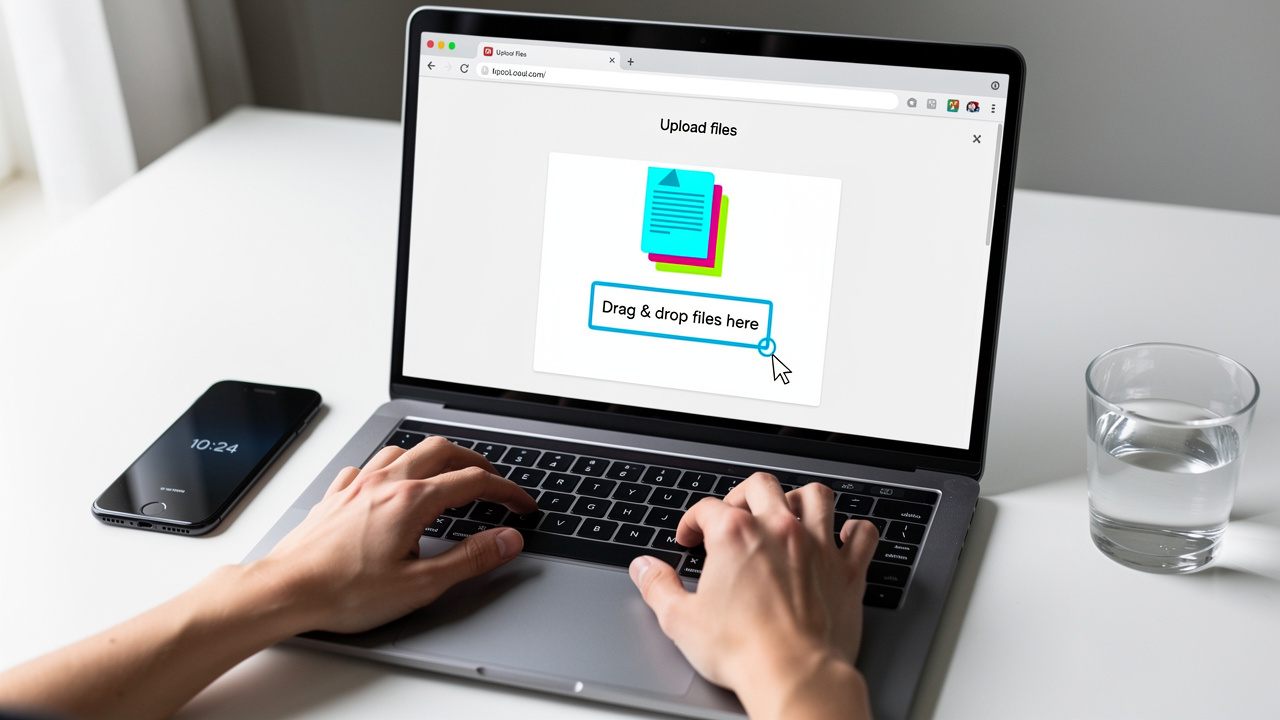
      Click the main upload area or drag the file into the window. You can also choose to import directly from Google Drive or Dropbox, which helps if you keep school or office work in the cloud. Every upload uses SSL-encrypted transfer between your device and iLovePDFKit servers. During this step, you see a clear progress bar so you always know what is happening.

    3. Enter The Current Password When The Prompt Appears
      Once the file is in place, the tool checks its security and asks for the existing password. Type the full password and confirm it, just as you would in Adobe Acrobat or other viewers. iLovePDFKit does not break, guess, or bypass passwords, which protects owners of sensitive documents. The password you enter is only used for this one task and is not stored after work finishes.

    4. Process The File And Download The PDF Without Protection
      After the password is accepted, click the button to start the password-removal task. The server removes the security layer in real time, which usually takes only a few seconds, even for longer reports. You then see a button to download the new file and can save it back to your device or cloud drive. iLovePDFKit deletes the uploaded and processed files automatically right after the task, and you can move on to compressing, converting, merging, or signing that same document in the same visit.

    How To Remove Password Security From A PDF Using Adobe Acrobat

    You can also remove password security from a PDF using Adobe Acrobat if you have a license and know the password. This method keeps everything on your own computer and fits users who already run Acrobat for other work. It is especially common in larger companies and public agencies.

    According to Adobe, Acrobat Standard starts at 14.99 dollars per month and Acrobat Pro at 19.99 dollars per month on annual plans. Those prices include editing, e‑signing, and protection tools, so many offices already pay for it. In contrast, iLovePDFKit gives casual users a free alternatives to Adobe Acrobat the same password-removal step without any subscription.

    Here is how the Acrobat method works when you need more than an online PDF password-removal tool. Remember that you still must have the current password if the file blocks opening.

    1. Open The Protected PDF Inside Adobe Acrobat On Your Computer
      Start Acrobat, then use the File menu to open the protected PDF. If the file has an open password, a dialog box will appear before you see any content. Type the right password and click to continue. Once the document loads, you can change its security settings.

    2. Go To The Protect And Encrypt Controls In The Toolbar
      In the top area, choose Tools, then pick the Protect section, and find the option related to encryption. Look for the button that removes security from the file. Adobe groups these controls so that users can apply or clear passwords in the same place, which keeps the steps easier to remember.

    3. Confirm Password Removal Based On The Type Of Protection
      If the file only had an open password, Acrobat may just ask you to confirm that you want to clear it. For a permissions password, the app will request that password again before any change happens. You then agree to remove the restrictions, which restores printing, copying, and editing for later users. This flow stops unauthorized people from changing office policies or contracts.

    4. Save The New Unprotected Copy To Preserve The Change
      After security is removed, use Save or Save As to create a new version of the file. The next time anyone opens this copy, Acrobat and other PDF readers will not ask for a password, and normal tasks will work. For highly sensitive documents, you can then add a fresh password or new permissions right away. People who do not want to pay for Acrobat can use iLovePDFKit instead whenever an online workflow is fine.

    To compare the two methods at a glance:

    FeatureiLovePDFKit (Our Tool)Adobe Acrobat
    CostFree web toolPaid subscription (per Adobe pricing)
    Installation RequiredNoYes
    Works OfflineNoYes
    Extra PDF FeaturesConvert, merge, compress, signFull editing and advanced PDF features

    Use Acrobat when you already pay for it and need offline control; use iLovePDFKit when you want a fast, free browser-based option.

    Is It Safe To Upload A PDF To An Online Password-Removal Tool?
    Open combination lock next to a white paper document on a metallic surface

    Uploading a file to an online PDF password-removal tool is safe for most school, freelance, and office documents when the service uses strong security. A well-designed tool such as iLovePDFKit treats every file as sensitive and protects it during upload, processing, and deletion. That lets you focus on how to remove passwords from PDF files instead of worrying about leaks.

    Good online tools follow the same basic safety ideas that banks and large cloud services use, and resources like Secured PDF Unlock Online detail how reputable services handle file protection throughout the process. They protect data in transit and at rest, limit how long it stays on their servers, and avoid storing passwords. Many also meet formal standards for information security and privacy.

    • Encrypted Connections Hide Files During Transfer Between Your Device And The Service
      iLovePDFKit uses SSL or TLS-based connections so that outsiders cannot read your PDFs or passwords while they move. This is the same class of protection used on banking and shopping sites. Anyone who tries to listen on the line sees scrambled data instead of your contract or assignment. Encryption of this kind follows guidance from groups such as NIST.

    • Automatic File Deletion Stops Documents From Staying On Servers After Work
      When the password-removal task ends and you download the new file, iLovePDFKit removes both the original and the result from its servers. Files are stored only long enough to finish your request. That means there is no archive of customer documents waiting on some hard drive in the background. This approach cuts the risk of later access by anyone else.

    • No Password Storage Protects Your Account Security And Your Clients
      The password you type into iLovePDFKit is used only to open the PDF during that single task. It is not saved into a profile, not logged in plain text, and not reused for any other purpose. If you later return with the same file, you will need to type the password again. That habit respects owners of the content and stops misuse of passwords across different systems.

    • Compliance With Modern Standards Gives Extra Peace Of Mind
      Leading document services work toward frameworks such as ISO 27001, which sets rules for security management, and they align with privacy laws such as GDPR in Europe. Information from ISO shows that these standards focus on access control, risk review, and incident response. When a PDF password-removal site explains its policy clearly and matches these ideas, you can feel more comfortable using it for normal work.

    Tip: Before uploading sensitive files, skim the tool’s privacy policy and security page so you know how long your documents stay on the servers and how they are protected.

    For very sensitive items, such as medical records or internal legal files, many teams still keep everything on a closed network. In those cases, a desktop app such as Adobe Acrobat may be a better choice than any web page. For everyday homework, invoices, reports, and presentations, iLovePDFKit gives a fast, safe balance between privacy and convenience.

    Locking It All Up: Your Fastest Path To A PDF Without A Password
    Modern home office desk with laptop for productive document work

    Password-protected PDFs do not have to slow school projects, client work, or office tasks. When you know the current password, iLovePDFKit gives you one of the fastest free ways to remove a PDF password online, right inside your browser, with no signup or software to install.

    If you already pay for Adobe Acrobat, its built‑in tools also remove open and permissions passwords on your own computer. For everyone else, iLovePDFKit covers the full path in a few steps—remove the password, edit, convert, then protect again with strong AES‑256 encryption. Open your browser, load iLovePDFKit, and clear that blocked PDF in seconds.

    Frequently Asked Questions

    Question: Can I open a password-protected PDF if I’ve forgotten the password?

    Answer: No, you cannot safely remove protection from a PDF if you no longer know the password. Ethical tools such as iLovePDFKit, Adobe Acrobat, and Smallpdf all require the current password before they remove security. Your best option is to contact the document owner, your teacher, or your IT team for help.

    Question: What’s the difference between removing a PDF password and removing PDF restrictions?

    Answer: Removing an open password means anyone can open the file without typing a code. Removing restrictions clears limits on printing, copying text, editing pages, or filling forms. iLovePDFKit handles both steps in the same password-removal flow, as long as you provide the correct password when asked.

    Question: Can I re-lock a PDF after removing its password?

    Answer: Yes, you can protect a PDF again after you finish your edits. iLovePDFKit includes a separate protect tool that adds AES‑256 password security in the browser. You can follow a simple loop: clear the password with the first tool, change the content, then protect again before sharing the file.

    Question: Does removing a PDF password damage or alter the file content?

    Answer: No, a proper PDF password remover only changes the security layer, not the content. Fonts, images, links, and layout stay the same before and after the task. iLovePDFKit focuses on pixel‑perfect output so research papers, invoices, and contracts still look exactly as the sender intended.

    Question: Is it legal to remove a password from a PDF?

    Answer: Yes, it is legal to remove a password from a PDF that you own or that you have clear permission to modify. Problems arise only when someone tries to bypass security on files they do not control, such as paid ebooks or stolen documents. iLovePDFKit asks for the existing password to reinforce this boundary and support lawful use.
  • Excel to PDF Converter: Fast, Clean, No Watermarks

    Excel to PDF Converter: Fast, Clean, No Watermarks

    Table of Contents

    Introduction

    Sharing raw Excel files often leads to broken layouts, version conflicts, and accidental edits. A free online excel to pdf converter is the simplest way around those problems. For that need, iLovePDFKit offers a browser tool that converts XLS and XLSX files to clean PDFs in seconds without any software install or sign‑up — similar to how tools like the Excel to PDF Converter work to preserve table layouts online.

    Different devices, missing fonts, and visible formulas can turn a simple report into a grading or client headache. On top of that, not everyone has Microsoft Excel or Office installed, especially on mobile devices or shared computers.

    An excel to pdf converter turns your spreadsheet into a stable, read‑only PDF that looks the same on every screen. In this guide, you will:

    • See why PDF is better than raw spreadsheets for sharing

    • Learn how to use iLovePDFKit step by step

    • Keep your Excel formatting intact during conversion

    • Understand the safety and privacy side of online converters

    • Convert back from PDF to Excel when you need to edit

    “When in doubt, send a PDF. It’s the closest thing we have to paper on a screen.” — Common IT support advice

    Now on to the key points so you can switch to smooth, share‑ready spreadsheets.

    Key Takeaways

    Before going into the details, it helps to see the big picture. The points below highlight what makes iLovePDFKit practical for students, office staff, freelancers, and small business owners.

    • PDF is the standard format when you need your Excel spreadsheet to stay fixed, readable, and tamper‑resistant. Professors, managers, and clients can open a PDF on Windows, macOS, Linux, iOS, or Android without any special software. Research from Adobe notes that billions of PDFs open in Acrobat every month, which shows how normal this format is for finished work.

    • iLovePDFKit converts XLS and XLSX files in three steps: upload, wait a moment, download. The excel to pdf converter runs inside Chrome, Firefox, Safari, and Edge with no installation or registration. Every output file is clean, with no watermarks or locked pages.

    • Good preparation inside Excel gives better PDFs. Page orientation, margins, Print Area, and Scale to Fit all carry over to the PDF when you convert. iLovePDFKit respects those settings so your tables, charts, and totals line up as you expect.

    • Security matters when spreadsheets hold private data. iLovePDFKit uses encrypted connections and real‑time processing, then removes both source and converted files from its servers. No team member opens or reads your documents during conversion.

    • You can go back from PDF to Excel. iLovePDFKit includes a PDF to Excel converter that reconstructs tables into real cells, so you can edit data again. That works even for tricky cases such as PDF bank statements that you want back in Excel.

    Why Convert Excel to PDF? Benefits You Can’t Ignore

    Office worker converting Excel spreadsheet to PDF on monitor

    Converting Excel to PDF keeps your layout stable so columns, fonts, and charts do not shift when someone opens the file. A PDF version of your spreadsheet also hides formulas and makes accidental edits much less likely. For many teachers, managers, and clients, a PDF report feels finished while an XLSX file feels like a draft.

    When you share an Excel spreadsheet directly, the recipient might not have Microsoft Excel or might use an older version. That is when row heights change, wrapped text spills off the page, or conditional colors look wrong. By exporting or converting to PDF, you freeze what you see on your screen into a single, consistent view.

    PDF also helps with compatibility across devices. A budget prepared on Windows opens just as cleanly in Apple Preview on macOS or in any browser on a Chromebook. According to Microsoft, hundreds of millions of people use Office apps, yet many only have a browser on shared or mobile devices when they read your files.

    From a professionalism side, invoices, project estimates, schedules, and research tables look more credible as PDFs. You avoid live formulas, hidden sheets, and floating comments. With an online excel to pdf converter such as iLovePDFKit — and there are Excel to PDF: 5 common methods to choose from — you get that professional result with almost no effort.

    A quick comparison makes the difference clearer:

    FormatBest ForCommon Risks When Sharing
    Excel (XLS/XLSX)Editing, calculations, internal draftsBroken layouts, changed formulas, version issues
    PDFFinal reports, invoices, submissionsEdits are harder, but layout stays consistent

    If you want people to review or sign off on numbers rather than change them, converting Excel to PDF is usually the safer choice.

    How to Convert Excel to PDF Online With iLovePDFKit

    Hands uploading Excel file to online converter browser tool

    Converting Excel to PDF online with iLovePDFKit follows a short, repeatable pattern: upload your file, let the excel to pdf converter process it, then download the finished PDF. The tool runs in your browser, so you do not install software, create an account, or accept a watermark. For most spreadsheets, the whole process finishes in seconds.

    Here is how it works in practice.

    1. Open the Excel to PDF tool and upload your file

      Go to the iLovePDFKit Excel to PDF page and look for the central upload area. You can:

      • Click to select a file, or

      • Drag a workbook straight from your desktop

      Both legacy XLS files and modern XLSX files work, and iLovePDFKit accepts multi‑sheet workbooks so you do not repeat the process sheet by sheet — you can also try a dedicated Excel to PDF – tool if you need instant conversion for single spreadsheets. If your data lives in Google Drive or Dropbox, you can pull it from there instead of downloading first.

    2. Let iLovePDFKit convert your spreadsheet

      As soon as the upload completes, iLovePDFKit begins automatic conversion. The service reads your tables, cell styles, merged cells, charts, and page setup, then renders them into a PDF that matches your Excel preview.

      According to Statista, spreadsheet tools remain among the most used office applications worldwide, so accurate rendering across devices matters more than ever.

    3. Download and share your PDF

      After a short moment, a download button appears with your finished PDF. You can:

      • Save it locally

      • Send it by email or messaging apps

      • Upload it to your learning portal or client workspace

      There are no limits hidden behind paywalls for regular‑size documents, no daily cap for typical files, and no extra branding added to your document. For busy admins, students on deadlines, or freelancers preparing a quote, this quick flow is far easier than waiting for heavy desktop programs to open.

    How to Convert Excel to PDF Directly in Microsoft Excel

    You can also convert or export Excel to PDF inside Microsoft Excel itself. This suits people who already have Excel on their computer and want offline control over page ranges and quality; for developers needing programmatic control, C++ EXCEL to PDF via Aspose.Cells is another robust option.

    Follow these steps in Microsoft Excel on Windows or macOS:

    1. Open your spreadsheet.

    2. Choose FileExport.

    3. Pick Create PDF/XPS from the list.

    4. In the dialog, click Options to:

      • Include the entire workbook or only specific sheets

      • Set the page range

      • Choose print quality

    5. Pick a folder and file name.

    6. Click Publish.

    Excel creates the PDF on your device, ready to open in Adobe Acrobat Reader, Apple Preview, or any browser. This path gives fine‑grained control, yet it only works where Excel is installed, so it is less practical for Chromebooks, shared lab machines, or quick edits on a phone.

    How to Keep Your Excel Formatting Intact When Converting to PDF

    Keeping your Excel formatting intact during conversion means your PDF looks like a real report instead of a messy data dump. A good excel to pdf converter follows the page setup from your workbook and avoids chopped columns or missing charts. iLovePDFKit reads your Print Area, margins, orientation, and Scale to Fit so the PDF reflects your own choices.

    Formatting problems usually start inside Excel rather than inside the converter. If the sheet stretches far beyond the printable area or uses default margins, the PDF may cut off labels or crunch columns on to too many pages. When you tidy the sheet first, you get a result that looks as if a designer prepared it.

    Alignment matters for readability as well as appearance. Studies from Nielsen Norman Group show that poorly formatted tables slow readers and increase errors when they scan numbers.

    “Users don’t read, they scan.” — Jakob Nielsen, Nielsen Norman Group

    Clean grid lines, clear headings, and stable rows help professors or managers understand your data faster.

    iLovePDFKit does its part by honoring the layout you define. To get an excel to pdf without losing formatting, you only need a short pass through page setup. The next section gives a simple checklist that you can reuse before every conversion.

    Five Excel Settings to Configure Before You Convert

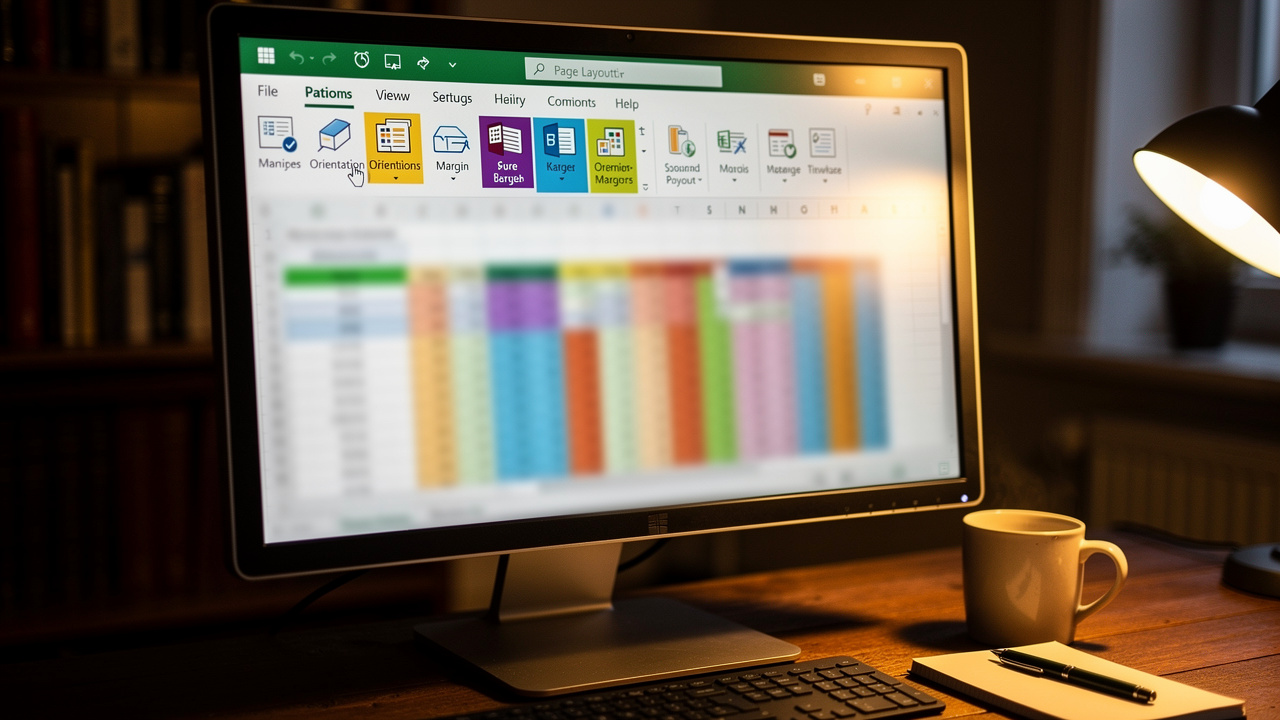
    Excel page layout settings configured before PDF conversion

    Before you open iLovePDFKit or any other online converter, adjust a few settings in Excel. These quick steps prevent most layout problems and give your PDF a polished feel.

    • Set a clear Print Area so Excel knows which cells belong in your report. Highlight the exact range, then choose Page LayoutPrint AreaSet Print Area. This narrows the exported content to the table or section that matters, instead of every scratch calculation in the workbook.

    • Switch wide spreadsheets to Landscape orientation whenever they hold many columns. You find this choice under Page LayoutOrientationLandscape. That wider canvas keeps headings, dates, and totals on the same page instead of hiding the last few columns.

    • Reduce page margins to reclaim space for your data. Under Page LayoutMargins, pick a narrow preset or customize top, bottom, left, and right values. Smaller margins help you avoid text clipping and reduce the number of pages in the final PDF.

    • Use Scale to Fit so the content fits into a reasonable page count. Still under Page Layout, you can set width and height to one page each or use a percentage that keeps text readable. This tells Excel to shrink or expand the sheet without wrecking the relative sizes of rows and columns.

    • Check Page Break Preview so you see exactly where one page ends and the next begins. On the View tab, choose Page Break Preview and adjust the blue lines with your mouse. That view makes it easy to stop a totals row from landing alone on a new page.

    For recurring reports like monthly budgets or grade books, saving a clean template with these options set once will save time every time you convert.

    Is It Safe to Upload Excel Files to an Online Converter?

    Smartphone downloading converted PDF file securely on mobile

    Uploading Excel files to an online converter is safe when the service uses encryption, short‑term processing, and no file storage. iLovePDFKit follows that pattern so you can convert grade books, payroll, or client budgets without sharing them with a human reviewer. The excel to pdf converter completes the job on secure servers, then removes both input and output files.

    During upload and download, iLovePDFKit uses TLS encryption, the same protection that banks and major cloud tools use for data in transit. That helps block eavesdropping on public Wi‑Fi or shared networks. Only the conversion engine touches the content, and it does so automatically.

    Once your PDF is ready and you have downloaded it, iLovePDFKit purges your files from its systems. There is no archive of your spreadsheets, no manual review queue, and no analytics view into your cell values. For extra privacy, the site does not ask for an email address or a user account, so your conversions stay tied only to your browser session.

    When you evaluate any online converter, look for:

    • HTTPS in the address bar and a valid lock icon

    • A clear privacy or security statement describing deletion of files

    • No requirement to email files to a random address

    • The option to use the tool without creating an account

    Clear organization of finished PDFs also supports security and productivity. Research from McKinsey shows that knowledge workers spend about 1.8 hours every workday just searching for information. When you convert key spreadsheets to well‑named PDFs and store them in shared, structured folders, teams waste less time hunting for the right version.

    Beyond Excel to PDF: What Else Can iLovePDFKit Do?

    iLovePDFKit is more than a one‑way excel to pdf converter. The same site includes a PDF to Excel converter that rebuilds tables from a PDF into live cells. That helps when a colleague only sends a PDF report, or when you want to convert bank statement PDFs back into sortable Excel files — a workflow also supported by open-source projects like fulvian/exc-to-pdf for those comfortable with CLI tools.

    The PDF to Excel tool supports regular reports as well as scanned pages through OCR, so you can turn image‑based statements into usable numbers. This is especially handy for freelancers and small businesses that download monthly statements and then want to sort them in Excel or Google Sheets.

    Around these two core tools, iLovePDFKit also offers:

    All of it stays browser‑based and free to access, which keeps your document workflow simple even when formats vary.

    Locking In Your Workflow: Make Every Spreadsheet Share-Ready

    Modern home office setup for streamlined PDF document workflow

    Locking in your spreadsheet workflow means every important Excel file ends life as a clear, stable PDF. With iLovePDFKit, that conversion takes seconds, runs in any modern browser, and respects the layout work you already did in Excel. Students, office staff, and freelancers all gain the same outcome: reports that look right for every viewer.

    A simple habit to follow:

    1. Finish editing the spreadsheet in Excel.

    2. Run it through iLovePDFKit’s excel to pdf converter.

    3. Share or archive the PDF and keep the original Excel only for future edits.

    Conclusion: Your next step is simple. Open iLovePDFKit, upload one of your XLS or XLSX files, and watch it convert to a polished PDF with no watermark or signup wall. Then, when someone sends you a PDF instead of a spreadsheet, use the PDF to Excel tool to regain editable tables and keep your projects moving.

    Frequently Asked Questions

    Does iLovePDFKit Support Both XLS and XLSX Files?

    Question: Does iLovePDFKit support both XLS and XLSX files?
    Answer: Yes, iLovePDFKit works with both legacy XLS files and modern XLSX workbooks without any extra steps. You upload whichever version you have, and the excel to pdf converter processes it in one go. There is no need to resave the file in a newer format before you convert.

    Will My Excel Charts and Merged Cells Appear Correctly in the PDF?

    Question: Will my Excel charts and merged cells appear correctly in the PDF?
    Answer: In most cases, yes, your charts, merged cells, fonts, and colors appear in the PDF exactly as in Excel. iLovePDFKit respects your Print Area, margins, and Scale to Fit choices, which protects alignment. Setting those options before upload gives the best chance of picture‑perfect output, especially for dashboards and summary reports.

    Can I Convert an Excel Workbook With Multiple Sheets?

    Question: Can I convert an Excel workbook with multiple sheets?
    Answer: Yes, iLovePDFKit accepts multi‑sheet workbooks and converts them in a single session. Each sheet becomes part of the same PDF, so long reports stay together. You do not pay extra or upload every tab separately, which saves time on large projects.

    How Long Does the Excel to PDF Conversion Take?

    Question: How long does the Excel to PDF conversion take?
    Answer: Conversion with iLovePDFKit usually finishes within a few seconds after upload. Very large or complex workbooks may take slightly longer, but they still process without extra fees or limits for normal use. You can keep working in another tab while the conversion runs.
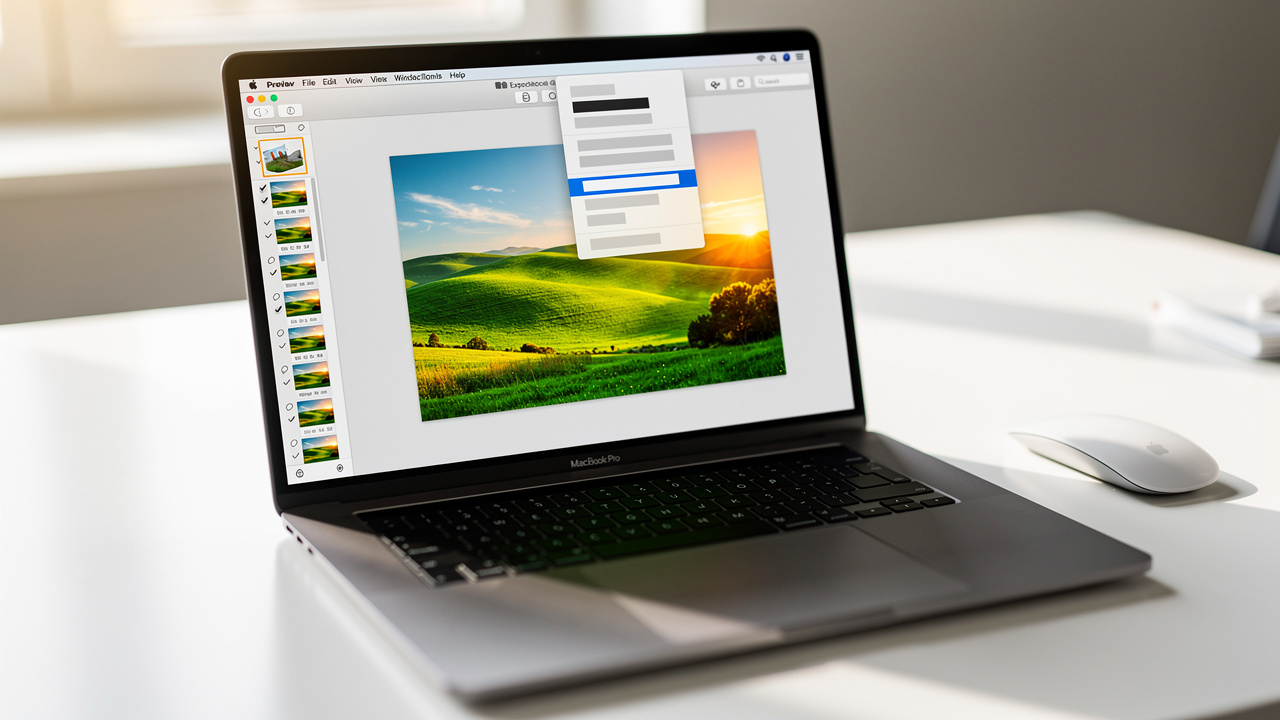
    Can I Convert Excel to PDF on My Phone or Tablet?

    Question: Can I convert Excel to PDF on my phone or tablet?
    Answer: Yes, you can use iLovePDFKit in Chrome, Firefox, Safari, or Edge on iOS and Android. The excel to pdf converter runs in the browser, so no app install is needed. You upload from local storage or a cloud drive and download the finished PDF straight back to your device.

    Do I Need to Create an Account to Use iLovePDFKit?

    Question: Do I need to create an account to use iLovePDFKit?
    Answer: No, iLovePDFKit works without any registration, email address, or password. You visit the site, upload your Excel file, and download the PDF when it is ready. This low‑friction flow suits quick one‑off tasks and frequent daily use alike.

  • PDF to Editable Word: Fast, Free Online Conversion

    PDF to Editable Word: Fast, Free Online Conversion

    Table of Contents

    Introduction

    Handling pdf to editable word tasks is simplest when you rely on a browser-based tool instead of desktop software. Among the many free converters out there, iLovePDFKit stands out ahead of Adobe Acrobat Online or Smallpdf thanks to unlimited conversions, no sign‑up, and built‑in OCR.

    When you turn a fixed PDF into an editable Word document with a pdf to editable word service, you can update text, move images, and reuse tables without typing everything again. Students, office teams, and small businesses all save hours when they can change PDF to Word for free, right inside the browser.

    This guide walks through why pdf to editable word conversion matters, exactly how to use iLovePDFKit, what to look for in free tools, and a set of simple quality tips.

    Key Takeaways

    Here are the main points in one quick scan.

    • PDF files lock layout. Editing feels slow and clumsy, while Word format lets you change pages much faster.

    • Digital PDFs hold real text; scanned PDFs are images. OCR turns those pictures into editable words you can search and copy.

    • A good free converter preserves fonts and tables, protects privacy, and does not limit normal everyday use.
    • iLovePDFKit runs in any modern browser. It stays free with no sign‑up, and converted files arrive clean, without any watermark.

    • Better input brings better results. Use clear scans and non‑protected files, and always check the Word file before sending or printing.

    Why Convert PDF to Editable Word in the First Place?

    Office professional editing a document on a laptop

    Converting PDF files to editable Word documents removes the locked layout and gives you real control over text and design. Instead of retyping pages, you open the DOCX file in Microsoft Word or Google Docs and start editing right away. That simple change matters when syllabi, contracts, or client briefs arrive only as PDFs.

    Students and researchers often need to quote, restructure, or annotate long articles that live in PDF form. Copy and paste from a viewer can:

    • break lines in the middle of sentences

    • strip footnotes or endnotes

    • scramble formulas, symbols, and tables

    Once a journal article becomes an editable Word document, you can highlight text, track changes, and move sections into your draft while keeping formatting tidy.

    Office staff often receive policy updates, HR forms, or vendor contracts as final PDFs with no access to the source file. When a date changes or a clause needs revision, converting that PDF to editable Word is far faster than rebuilding the document from scratch. Teams can then use tools inside Microsoft 365 or Google Workspace to review, comment, and approve changes in one shared file.

    According to Adobe, more than forty‑one million files went through its PDF to Word converter in a recent period, which shows how common this task has become. With a reliable pdf to editable word converter like iLovePDFKit, that locked PDF you received by email becomes a normal DOCX file you can adjust on any device. You stay in familiar tools such as Microsoft Word, Google Docs, or LibreOffice instead of wrestling with print‑ready files.

    How to Convert PDF to Editable Word Using iLovePDFKit

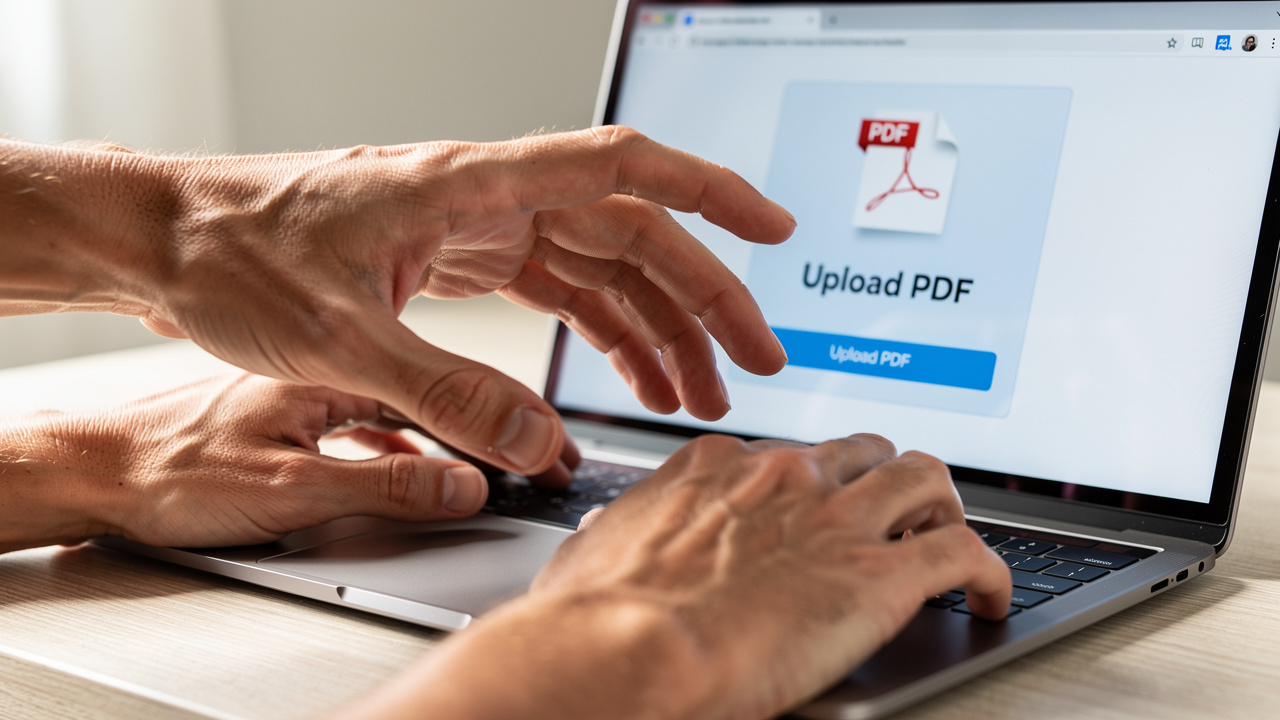
    Person uploading a PDF file in a browser converter tool

    Using iLovePDFKit to convert a PDF into an editable Word file takes only three quick steps in any modern browser. The whole pdf to editable word process runs online with no software installs, no sign‑up, and no watermarks.

    Here is the simple flow from upload to download.

    1. Upload Your PDF File
      Open iLovePDFKit in your browser. Click the upload area or drop the PDF from your desktop or cloud storage such as Google Drive, Dropbox, or OneDrive. The file travels over an encrypted HTTPS connection so contents stay private.

    2. Convert To Word
      After upload, iLovePDFKit reads text, images, and tables automatically. You do not need to tweak lots of settings, because the pdf to editable word engine maps the structure straight into DOCX. For scanned files, the built‑in OCR layer recognizes characters so the result contains real, editable text instead of flat images.

    3. Download Your Editable Word Document
      When processing finishes, you see a Download Word button. Click once and the .docx file lands on your device, ready for Microsoft Word, Google Docs, or LibreOffice. You can also send the file straight to cloud storage if that fits your workflow better.

    For most essays, reports, or invoices, conversion on iLovePDFKit finishes in seconds, even on a modest internet connection. Because files are removed from iLovePDFKit servers shortly after processing, you are not leaving long‑term copies of sensitive contracts, grades, or ID scans online.

    Using iLovePDFKit for this type of work gives you:

    • No software installations on your computer or phone

    • No watermarks or registration barriers before you download

    • Built‑in OCR so one tool handles both digital and scanned PDFs

    Converting Scanned PDFs Into Editable Word Documents With OCR

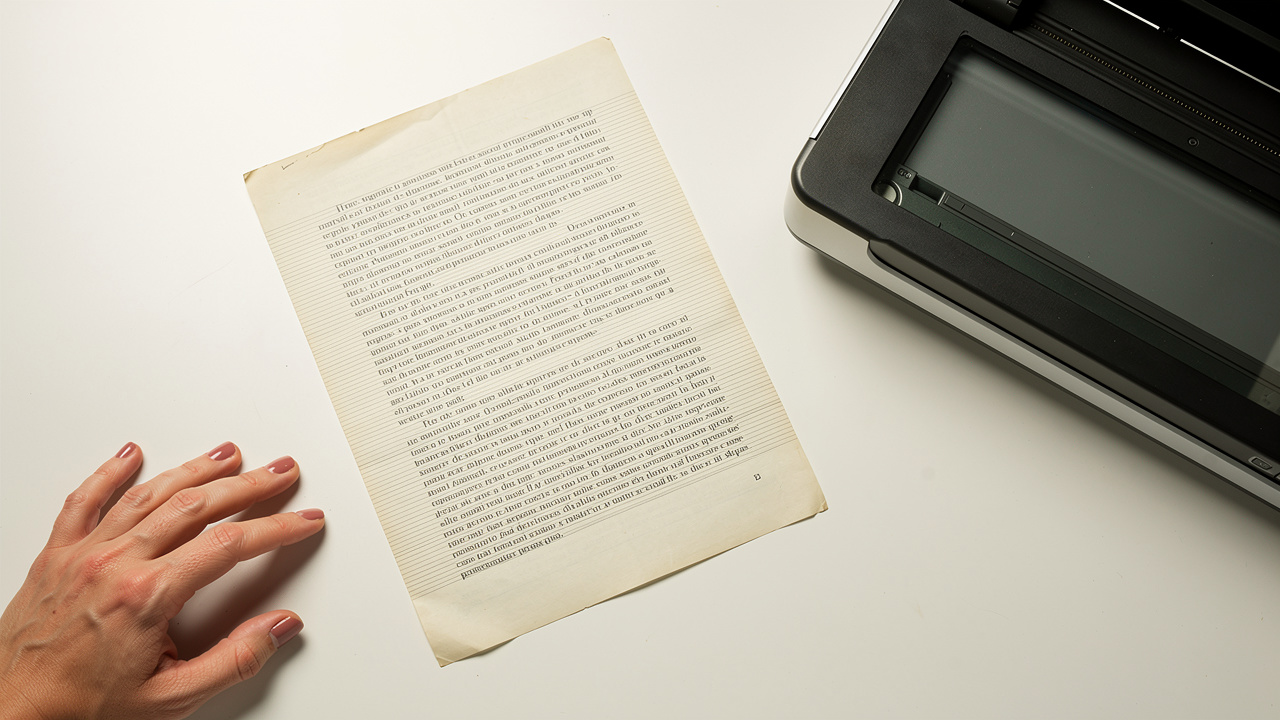
    Scanned paper document next to a flatbed scanner on desk

    Converting scanned PDFs into editable Word documents depends on OCR, because those files contain images, not real text. A scanned syllabus, contract, or book page looks like normal text on screen, yet your cursor cannot select a single word.

    OCR, or optical character recognition, analyzes each letter shape and rebuilds it as editable characters inside the DOCX file. iLovePDFKit includes this step inside the same free interface, so you do not switch tools or upgrade a plan just to handle scanned homework or signed forms. You upload the scanned PDF, click convert, and receive an editable Word document with real text you can search, copy, and edit.

    For best accuracy with OCR:

    • use scans around 300 DPI with good contrast

    • avoid photos taken in dim rooms or at sharp angles

    • keep pages flat so text lines stay straight

    • always proofread numbers, names, and totals after conversion

    This quick review step with a pdf to editable word tool matters most for grades, invoices, and legal text, where even a small typo can cause trouble.

    What Makes a Free PDF to Word Converter Actually Worth Using?

    A free PDF to Word converter is worth your time only if it keeps layout, protects privacy, and truly stays free. Students, office staff, and freelancers rely on these tools for contracts and grades, so weak output or hidden paywalls cause real problems. A few simple checks help you decide whether a pdf to editable word site deserves a place in your bookmarks.

    “Good tools get out of your way. You upload the file, download the edit, and move on with your work.”
    – Common advice from productivity coaches

    When you compare different converters, focus on:

    • Formatting preservation. Cleaning broken tables and headings by hand often takes longer than typing from scratch. High‑quality engines, like those described in reviews from PCWorld, keep fonts, spacing, images, and bullet lists close to the original PDF. iLovePDFKit focuses on this point, so headings stay aligned, table borders remain sharp, and pictures land in the right place instead of drifting across pages.

    • Support for scanned files. Some free tiers convert only text‑based PDFs and move OCR behind a paid upgrade. iLovePDFKit includes OCR in the same free workflow, so you receive editable text whether the file started as a Word export or a phone scan.

    • Privacy and security. Look for clear practices such as TLS encryption and quick deletion, which services like Smallpdf highlight with ISO 27001 certification and one‑hour removal windows. iLovePDFKit likewise uses encrypted connections and short retention so casual conversions do not leave long‑term traces.

    Some websites let you upload and convert, then hide the clean PDF to Word (DOCX) file behind a pay button or fill it with bold watermarks. With iLovePDFKit, every download stays watermark‑free, account‑free, and free of daily conversion caps, even if you convert a whole stack of essays or invoices. The quick comparison below shows how common free tools differ from iLovePDFKit on the points that matter most.

    FeatureMany Free ConvertersiLovePDFKit
    Layout AccuracyLayout often breaks in complex filesLayout stays close to the original PDF
    OCR For ScansOCR only on paid plans in many casesOCR included in the standard free workflow
    WatermarksWatermarks often added on free exportsNo watermarks on any exported Word document
    RegistrationAccount and email frequently requiredNo registration, no email, no profile required
    Daily LimitsLow daily limits on free usersNo routine limits for regular everyday conversion

    Tips for Getting the Best Results When You Change PDF to Word

    Clean workspace with laptop and phone showing document editing

    Good habits before and after conversion make a big difference to how clean your new Word file looks. When you run a pdf to editable word job through iLovePDFKit, a few simple checks help the layout come through almost exactly as you expect. These tips come from patterns seen across thousands of users on the platform each day.

    • Before uploading, try to highlight a sentence in your PDF viewer. If you can select text, the document is a digital PDF and usually converts very cleanly. If nothing highlights, treat the file as scanned and expect OCR to do more work, especially around small fonts and handwriting.

    • Use the original PDF created from Word, PowerPoint, or Excel whenever you can instead of a photo of a printout. Re‑scanned or photographed pages often contain shadows, angles, or blur that confuse any converter. Straight, high‑contrast pages at around 300 DPI give OCR the best chance to read every character correctly.

    • If a PDF is password‑protected, create a non‑protected copy first so the converter can read all pages. Avoid uploading files that contain information you would never email, such as social security numbers or full medical records. Online tools like iLovePDFKit delete files after processing, yet careful document choices still matter.

    • After download, skim each section of the new Word file, paying extra attention to tables, formulas, and long lists. Fix small spacing issues first, then adjust fonts or headings if your original PDF used rare typefaces. Once the document feels right, you can send it, print it, or use iLovePDFKit again to change the edited Word file back into a clean PDF.

    • When you expect to reuse the same structure, save a clean, edited Word version as a template. Next time you receive a similar PDF, you can compare the new conversion to your template and copy across only the parts you need.

    Start Converting Your PDFs Don’t Have to Stay Locked

    Confident woman editing a Word document in a bright office

    Your PDFs do not need to stay frozen when a pdf to editable word converter like iLovePDFKit sits a single click away. You can move smoothly from locked handouts and contracts to editable DOCX files you control on any device.

    The tool runs in the browser, asks for no registration, adds no watermark, and includes OCR for scanned books, receipts, or signed agreements — much like other capable tools that let you Convert PDF to Word without friction. Thanks to fast processing, you can convert a whole set of assignments, policies, or invoices in the time it once took to retype a single page.

    Open iLovePDFKit in your browser, drop in your next PDF, and see how much easier it feels to edit the Word version instead of fighting with a fixed file.

    Frequently Asked Questions

    Question: Is it really free to convert a PDF to an editable Word document with iLovePDFKit?
    Yes, running a pdf to editable word conversion with iLovePDFKit is completely free. The site never asks for payment details or upgrades, and every DOCX download arrives watermark‑free with no daily conversion caps.

    Question: Does iLovePDFKit store my files after conversion?
    No, iLovePDFKit does not keep your documents for long after conversion. Files upload over encrypted HTTPS, process for a short time, then are removed from the servers automatically, and no personal profile is stored.

    Question: Can I convert a PDF to an editable Word document on my phone?
    Yes, you can convert a PDF to an editable Word document on any phone with a modern browser. iLovePDFKit runs inside Chrome, Safari, or other mobile browsers, so no app install is required.

    Question: What happens to formatting when I change a PDF to a Word document?
    When you change a PDF to a Word document with iLovePDFKit, the layout stays close to the original. Fonts, tables, images, and spacing appear in the right places. Complex layouts or rare fonts may need a quick check and small adjustments.

    Question: Can I convert the edited Word file back to PDF using iLovePDFKit?
    Yes, iLovePDFKit also lets you convert an edited Word file back into a clean PDF. You upload the DOCX, click the Word to PDF tool, and receive a ready‑to‑share file without watermarks or layout changes.

  • PDF to PowerPoint: Convert PDFs to Editable Slides Fast

    PDF to PowerPoint: Convert PDFs to Editable Slides Fast

    Table of Contents

    Introduction

    Static PDFs feel painful when you need to edit, reorder, or present them. Rebuilding slides by hand wastes time and energy, especially when a deadline is close and the file will not cooperate.

    The simplest free way to turn a PDF into an editable PowerPoint presentation is to use an online pdf to powerpoint converter such as iLovePDFKit. You open the tool in your browser, upload the PDF, and download a PPTX file that keeps your layout and lets you edit every element. No signup, no payment, and no software install are needed.

    This guide explains what PDF to PowerPoint conversion does, who benefits most, how to use iLovePDFKit in three quick steps, and how to get clean, ready‑to‑present slides every time. Keep reading to turn any stubborn PDF into a polished deck without starting over.

    Key Takeaways

    • PDF to PowerPoint conversion turns fixed PDF pages into editable PowerPoint slides and saves time compared with rebuilding a deck manually.

    • Students, office staff, freelancers, and small teams get faster presentations from PDFs and avoid copying and pasting text or screenshots.

    • iLovePDFKit converts a PDF to PPT in three fast steps: open the tool, upload the file, then download the PPTX.

    • A good free converter keeps layout, has no watermarks, protects your files, and works without accounts. iLovePDFKit matches these points.

    • After conversion, you can edit text, move images, change themes, and reuse content. That makes each converted PPTX ready for class, meetings, or client calls.

    What Is PDF To PowerPoint Conversion And Why Do You Need It?

    Professional woman editing PowerPoint slides in bright office

    PDF to PowerPoint conversion means turning each page of a PDF into an editable slide in a PPTX file. The goal is simple but powerful for everyday work and study: you keep the look of the PDF while gaining full editing rights in Microsoft PowerPoint or similar apps.

    PDFs lock layout so a document looks the same on every device. That is perfect for final sharing, but it gets in the way when you must change text, move elements, or adapt content into a slide deck. Converting a PDF to PowerPoint solves that by rebuilding text boxes, images, and shapes as real slide objects instead of flat pictures.

    According to Adobe, millions of files have passed through its online PDF to PPT tools, which shows how common this need is. Students receive lecture notes and research papers as PDFs and want to add comments, shrink content, or mix sections into a class presentation. Academic staff take journal articles and convert them into teaching slides without rewriting.

    Office professionals often receive quarterly reports, proposals, or policy documents only in PDF form. With a quick pdf to powerpoint conversion, they can pull tables into charts, add talking points, and rearrange sections for a meeting. Freelancers and small business owners take client PDFs and turn them into branded decks for pitches and workshops.

    In every case, the benefit is the same. A good converter avoids manual retyping, keeps formatting close to the source, and gives you a flexible PPTX ready for editing in Microsoft PowerPoint, Google Slides, or LibreOffice Impress.

    How To Convert PDF To PowerPoint Online Using iLovePDFKit

    Converting a PDF to PowerPoint online with iLovePDFKit means turning a static document into an editable PPTX in just a few clicks. The service focuses on speed and simplicity so anyone can go from upload to finished slides in seconds.

    iLovePDFKit runs fully in your web browser on Windows, macOS, Linux, iOS, and Android. You do not install anything or register an account. You simply open the pdf to powerpoint tool, drop in your file, and the conversion starts right away. That helps when you work on a shared computer or a locked‑down office laptop where installing apps is not an option.

    Behind the scenes, iLovePDFKit reads each PDF page and rebuilds it as real PowerPoint content. Text remains selectable, images stay separate, and shapes keep their positions. The PPTX file that comes out is not a stack of flat screenshots. It is a proper, editable presentation that you can adjust like any slide deck you made from scratch.

    McKinsey & Company reports that workers spend about 1.8 hours each day searching for and preparing information. A fast converter helps cut that wasted time because you start from a finished layout instead of a blank slide.

    Other online services, such as Smallpdf and Adobe Acrobat online, follow a similar pattern. However, iLovePDFKit stands out by keeping the experience completely free with no daily conversion caps, no watermarks, and no login wall. That is a big help for students or freelancers who might convert several files in one study session or client project.

    Once your PPTX downloads, you can open it in Microsoft PowerPoint, PowerPoint for the web, or Google Slides. From there, adjusting fonts, adding new slides, inserting speaker notes, or removing pages you do not need are all straightforward.

    Step-By-Step: Converting Your PDF In Seconds

    Hands dragging PDF file into online converter on laptop
    1. Step 1 – Open The Tool
      Open your browser on any device and go to iLovePDFKit’s PDF to PowerPoint converter page. The interface loads quickly and works the same in Chrome, Firefox, Safari, and Edge. You do not need to sign in or install an extension before starting, so you can run a conversion even on a public or borrowed computer.

    2. Step 2 – Upload Your PDF
      Click the upload button or drag and drop your PDF into the marked area — if you need a free online alternative at any point, you can also use iLovePDF to convert PDF to PowerPoint without registration. iLovePDFKit accepts regular PDFs from scanners, exported reports, downloaded articles, and class handouts. You can also bring in files stored in cloud services such as Google Drive or Dropbox. The file transfers over an encrypted connection to keep content private during processing.

    3. Step 3 – Download Your PPTX
      As soon as the upload finishes, iLovePDFKit starts the pdf to powerpoint conversion automatically. The progress bar moves quickly for most standard documents and finishes in a few seconds, similar to other leading tools such as Adobe Acrobat online. When processing ends, you click the download button and save the PPTX to your device or cloud folder.

    4. Post-Conversion Editing Tip
      Open the downloaded PPTX in Microsoft PowerPoint, PowerPoint for the web, or Google Slides. Check a few slides to confirm that text, images, and charts look correct. Then you can change fonts, apply a different theme, add new slides, or insert speaker notes without fixing broken layouts. This quick review keeps your next class, meeting, or pitch on track.

    What Makes A PDF To PowerPoint Converter Worth Using?

    Laptop with PowerPoint slides and printed documents flat lay

    A good PDF to PowerPoint converter turns a locked document into a clean, editable slide deck without wasting your time. The best tools keep layout faithful to the original, treat your files safely, and avoid tricks like hidden fees or forced signups.

    Format and layout preservation matter most. If a converter scrambles text boxes, shifts charts, or loses images, you still spend time fixing slides. iLovePDFKit focuses on near pixel‑level accuracy by rebuilding each item from the PDF as a native PowerPoint object. Text stays text, shapes stay shapes, and pictures stay separate so you can move them freely.

    Security is another key point, especially for contracts, grades, medical notes, or internal reports. iLovePDFKit uses SSL encryption on every upload and download. Files are handled in real time, then removed from servers once you have downloaded the result. No staff member opens or reads your documents, which keeps sensitive information under your control.

    Money and friction matter too. Many free converters add watermarks or block extra conversions behind a paywall. iLovePDFKit takes a different path. The pdf to powerpoint converter is free, has no conversion caps, and never stamps a logo on your slides. You also skip account creation, which makes quick one‑off jobs far easier.

    Here is how a solid converter compares:

    FeatureWhat To Look ForiLovePDFKit
    Layout preservationReal text and objects, not flat images✅ Pixel‑level fidelity
    WatermarksClean pages, even on free plans✅ No watermarks
    Account requiredOpen tool, convert, download✅ No signup
    File securityEncrypted transfer and quick deletion✅ SSL plus removal after download
    Device compatibilityWorks in common browsers on all systems✅ Desktop, tablet, phone
    CostClear pricing with no surprise limits✅ Free with no caps

    Platforms such as iLovePDFKit and Smallpdf bundle many document tools in one place. iLovePDFKit follows an all‑in‑one idea, with extras like PDF to Word, PDF to Excel, Compress PDF, and Merge PDF in the same interface. That helps reduce the number of different services you need to manage your files.

    According to McKinsey & Company, time lost on document handling and searching adds up across a workday. Choosing a converter that preserves layout and works quickly, like iLovePDFKit, helps cut that silent cost each time you update a report or class presentation.

    Tips For Getting The Best Results When You Convert PDF To PowerPoint

    College student reviewing PowerPoint presentation on tablet

    Getting strong results from any pdf to powerpoint conversion starts with the source file and ends with a short review of the PPTX. A few simple habits will keep your slides clear, sharp, and ready to present.

    • Use text-based PDFs whenever possible. If you can highlight and copy text in the PDF, the converter can read it more precisely. That leads to cleaner text boxes in PowerPoint and fewer mistakes in spelling or spacing. When you only have a scan, try to track down the original digital file if you can — for academic documents specifically, open-source tools like the gejifeng/Paper2PPT GitHub project show how researchers are building automated pipelines for converting text-heavy PDFs into structured slides.

    • Watch image quality in the original PDF. High‑resolution charts, logos, and photos stay sharp when moved into PowerPoint slides. If the PDF looks blurry or pixelated at full zoom, the converted slides will show the same problem. When you control export settings, pick higher image quality before you run the conversion.

    • Review your converted PPTX from start to finish. Scroll through each slide and check headings, bullets, tables, and graphics. Pay extra attention to files with multi‑column layouts, footnotes, or complex diagrams, since these areas can shift slightly. A two minute scan saves stress in front of a class, team, or client.

    • Use iLovePDFKit tools around the conversion for cleaner input and output. You can run Compress PDF to shrink large handouts before sharing them, or Split PDF to pull only the pages you need into a new deck. Merge PDF helps you build one master file from several sources before you convert to PowerPoint. That keeps your workflow simple and tidy.

    • Remember that mobile works as well as desktop. iLovePDFKit’s browser‑based tools run smoothly on phones and tablets, so you can convert a PDF to PPT even while commuting. You open the same web page, upload the file from local storage or a cloud app, and download the PPTX when it is ready. No app store download or updates are needed.

    “Plans are worthless, but planning is everything.” — Dwight D. Eisenhower
    When you convert a PDF to PowerPoint, that planning is your quick slide‑by‑slide review and small cleanup pass before you walk into the room.

    According to Adobe, its online converters finish most jobs within seconds for normal documents. When you combine that speed with careful source files and a short manual check, you get reliable slide decks with very little effort.

    Stop Rebuilding Slides From Scratch – Convert PDF To PowerPoint In Seconds

    Professional presenting converted slides to team in conference room

    Turning a PDF into a slide deck does not have to mean copying each heading and chart by hand. With iLovePDFKit, you run a quick pdf to powerpoint conversion, then open a PPTX file that already matches the original layout and is ready for edits.

    Because the tool is free, has no watermarks, and skips registration, it fits short student tasks as well as frequent office work. You can prepare a client pitch, a weekly status update, or a conference talk starting from almost any PDF. Then you spend your time polishing the message instead of wrestling with formatting.

    Next time someone emails you a PDF when you really need a deck, open iLovePDFKit’s converter, upload the file, and get editable slides within seconds. From there, explore the full toolkit for Word, Excel, image conversions, and PDF cleanup to keep every document workflow smooth.

    Frequently Asked Questions

    Question: Is iLovePDFKit’s PDF to PowerPoint converter really free?
    Yes, iLovePDFKit’s PDF to PowerPoint converter is completely free to use. There is no subscription, no trial that expires, and no hidden fee that appears after a few files. The service never adds watermarks to your slides and does not limit how many conversions you run. You also do not need an account or email address.
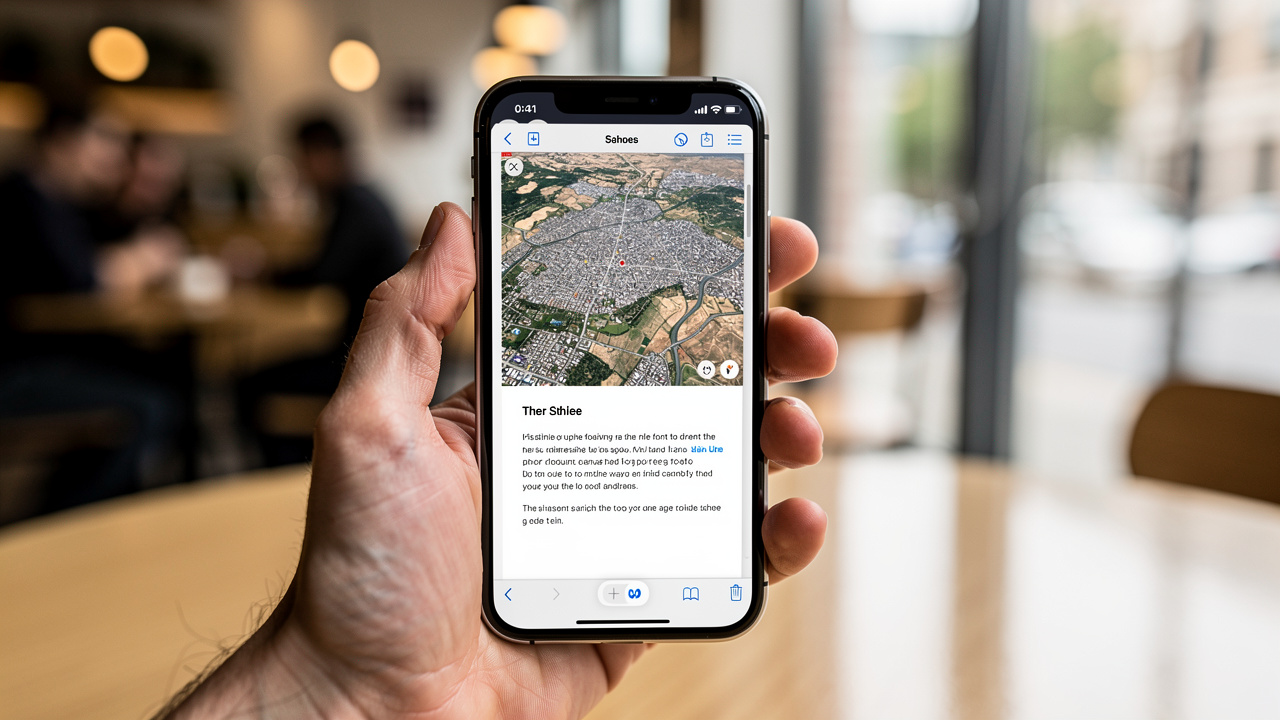
    Question: Will my PDF’s formatting be preserved after conversion?
    In most cases, your formatting stays very close to the original PDF. iLovePDFKit rebuilds text, images, and shapes as native PowerPoint objects instead of flat screenshots. Fonts, colors, and spacing usually match what you saw in the source file. That means many converted decks are ready to present with only small edits, if any.

    Question: Is it safe to upload sensitive documents to iLovePDFKit?
    Yes, iLovePDFKit is designed with privacy in mind. All file transfers use SSL encryption so your data stays protected in transit. Files are processed automatically and then removed from servers once your download is complete. No team member opens or reviews your PDFs or PPTX files. This approach fits especially well for business, legal, or academic documents.

    Question: Can I convert a PDF to PowerPoint on my phone or tablet?
    Yes, you can run the converter in any modern mobile browser. The same three steps apply on iOS and Android devices, so you open the page, upload the PDF, and download the PPTX. There is no need to install a separate app or register an account on your phone.

    Question: What can I do with the PowerPoint file after converting from PDF?
    After conversion, you can edit the PPTX like any normal presentation. You may change text, resize or move images, apply new themes, add or delete slides, and insert speaker notes. The file opens in Microsoft PowerPoint on desktop or web and also in Google Slides. Because iLovePDFKit keeps layout accurate, major reformatting is rarely needed.

  • How to Convert PDF to JPG Without Losing Quality

    How to Convert PDF to JPG Without Losing Quality

    Converting a PDF into a clear JPG image often feels harder than it should be. Many tools leave text blurry or stamp a watermark across your page. When you search how to convert PDF to JPG, it can seem like you must pay or install heavy software to get decent results.

    The good news is simple: you can convert PDF to JPG without losing visible quality by using the right browser tool, picking the right image format, and starting from a sharp source file. iLovePDFKit gives you all of that in one free page—no sign-up, no software, and no watermarks. This guide walks through when JPG makes sense, how iLovePDFKit works step by step, how to keep images sharp, and how to stay safe online.

    Ready to turn your PDFs into clean images and move on with your work faster? Keep reading for clear steps and practical tips.

    Key Takeaways

    Before we go deeper, here is a quick preview of what you learn on this page. These points help you scan the main ideas in a few seconds.

    • JPG fits everyday sharing better than PDF because it opens fast, embeds easily, and works on almost every device. That makes it ideal for email, slides, and social posts. For most homework, office, or client files, JPG quality looks more than good enough.

    • iLovePDFKit converts PDFs in four simple steps using any browser. You open the PDF to JPG tool, upload your file, wait a moment, then download clean images. No account, no software, and no payments ever get in the way.

    • Output quality depends on the source file and the converter. A sharp, high-resolution PDF becomes a sharp JPG when processed well. If the original is low quality, no converter can fully repair it.

    • You pick from JPG, PNG, and TIFF depending on how you plan to use the file. Everyday sharing leans to JPG, diagrams and tiny text lean to PNG, and print shops often ask for TIFF. iLovePDFKit supports all three formats in one place.

    • Safe online converters protect your privacy. They use encrypted connections, delete files after processing, avoid watermarks, and do not force you to create an account. iLovePDFKit follows all of these practices, so it suits students, office staff, and freelancers who care about privacy.

    Table of Contents

    Why Convert a PDF to JPG?

    Person viewing a document image on a smartphone

    Converting a PDF to JPG turns a fixed document page into a simple picture that works almost anywhere. A JPG file opens directly in browsers, phones, and apps without any PDF reader. That makes sharing and reusing content much easier across tools like Microsoft Word, PowerPoint, Google Slides, and social platforms.

    PDFs often refuse to embed cleanly in emails, learning portals, or content systems. A JPG, on the other hand, drops in like any photo and shows exactly what you see on the page. According to Deloitte’s 2024 Connected Consumer survey, mobile device usage continues to shape how people access and share content, and phones handle image files far more smoothly than PDFs. According to Deloitte’s 2025 Connected Consumer: Innovation report, consumers increasingly expect fast, frictionless content experiences, so switching from PDF to JPG fits how people actually read and share material.

    Some everyday examples:

    • Students may need a single chart from a long paper inside a slide deck. Instead of sending classmates a 40‑page PDF, they paste one neat JPG into Google Slides or Canvas.

    • Office staff can turn a signed contract page into a JPG and paste it into a status report, or add a summary page into a Microsoft Teams message.

    • Freelancers and small business owners often show mockups, menus, or spec sheets on websites and social media. A JPG preview loads quickly on Shopify, WordPress, or Instagram, even on weak connections.

    In short, learning how to convert PDF to JPG gives you a flexible way to reuse existing documents without retyping or redesigning them.

    According to Pew Research Center, smartphone adoption continues to climb, which means formats that open instantly on mobile—like JPG—are far more convenient for day‑to‑day reading and sharing.

    JPG, PNG, Or TIFF: Which Format Should You Choose?

    Three document image format options compared side by side

    Choosing between JPG, PNG, and TIFF affects both quality and file size. Picking the right one before you start conversion avoids repeated uploads and saves time. Each format suits a different type of work.

    • JPG uses lossy compression that shrinks file size by discarding some visual data. For most document pages, slides, and homework, that loss is tiny and hard to notice. JPG is perfect when you care more about quick sharing and small attachments than microscopic sharpness. It works well for email, learning management systems, websites, and social media posts.

    • PNG uses lossless compression and keeps every pixel of information. That approach gives crisper edges and text, especially on charts, graphs, and line drawings. If your PDF holds fine detail like math formulas, engineering diagrams, or footnotes, PNG usually stays sharper after zooming. The tradeoff is larger files, which can matter when storage or upload limits are tight.

    • TIFF focuses on high fidelity for print and long‑term archiving. Print shops, publishers, and some medical systems still request TIFF because it handles high resolutions and color profiles very well. The files can be huge, but they work nicely for posters, journal figures, and professional layouts.

    Here is a quick comparison you can refer to while you think about how to convert PDF to JPG or another format using iLovePDFKit.

    FormatBest Use CasesProsCons
    JPGEmail, slides, web, socialSmall files, opens everywhere, ideal for quick sharingSlight quality loss at high zoom
    PNGDiagrams, charts, small textVery sharp edges, great for screenshots and figuresLarger files than JPG
    TIFFPrint and archivingVery high quality, favored in print workflowsVery large files, not web friendly

    iLovePDFKit lets you choose among all three formats right on the tool page, so you do not need separate websites for each job.

    Tip: If you are unsure which format to use, export a single test page as JPG and PNG. Compare them at 150–200% zoom. Pick the one that keeps small text readable without making file sizes unmanageable.

    How to Convert PDF to JPG Using iLovePDFKit Step-by-Step

    Person using an online PDF converter tool on laptop

    Learning how to convert PDF to JPG with iLovePDFKit takes only one short visit, and resources like this PDF to Image Converter guide show just how straightforward the process can be across different tools. The process looks the same on Windows, macOS, Linux, Chromebook, and mobile browsers. You only need an internet connection and a modern browser like Google Chrome, Mozilla Firefox, Safari, or Microsoft Edge.

    The iLovePDFKit PDF to JPG converter follows a four‑step flow that starts working as soon as you open the page. According to Nielsen Norman Group, users often read only about a quarter of the text on a typical web page, so the interface stays clean and simple. You see one main upload area, a format choice, and a clear button to start.

    Step 1 – Open the PDF to JPG Tool
    Go to the iLovePDFKit website in your browser and choose the PDF to JPG function. You do not need to log in or accept any trial. The main screen loads directly, ready for your file.

    Step 2 – Upload Your PDF
    Click the main button to pick a file from your computer, or drag and drop a PDF into the window. You can also pull files straight from cloud services like Google Drive or Dropbox, which helps students and remote workers who keep everything online. Once the file appears in the tool, conversion starts preparing in the background.

    Step 3 – Let iLovePDFKit Convert the Pages
    As soon as the upload finishes, iLovePDFKit processes the document on secure servers. Every page becomes a separate high‑quality JPG image that keeps the original layout, fonts, and colors. The engine focuses on pixel‑accurate rendering so that if the PDF text looks sharp, the JPG text does too. Multi‑page PDFs convert in a batch without any manual page selection.

    Step 4 – Download Your Images
    When conversion completes, you see links to download the output:

    • For a single‑page PDF, you can grab one JPG directly.

    • For a longer file, iLovePDFKit groups all pages into a neat ZIP archive so you can download everything at once.

    The JPGs arrive watermark‑free and ready to paste into Word, PowerPoint, Google Slides, or your website — a process covered in detail in guides like PDF to JPG: 4 easy conversion methods for different workflows. This whole process often finishes in less than a minute, even on normal home connections. Because iLovePDFKit never asks for payment or signup, it suits quick one‑off jobs and regular daily use alike.

    According to Nielsen Norman Group, clear and simple interfaces help people complete tasks faster. A minimal PDF to JPG screen—like iLovePDFKit’s—reduces clicks and confusion.

    Converting On Mobile iPhone And Android

    Converting PDF to JPG on a phone works almost the same way as on a laptop. iLovePDFKit runs inside mobile browsers, so there is no need to install an extra app or seek IT approval. The tool adjusts to small screens so buttons stay easy to tap.

    On iPhone, open Safari, visit iLovePDFKit, and choose the PDF to JPG tool. Tap the upload area, then pick a PDF from Files, iCloud Drive, or your photo roll. On Android, follow the same pattern in Google Chrome, choosing files from local storage, Google Drive, or other connected apps.

    After upload, tap the convert button and wait a few seconds. Then save the JPG or ZIP to your device or preferred cloud service. As highlighted in Deloitte’s 2024 Connected Consumer: Trust survey, smartphones are nearly universal among younger adults, which means mobile conversion like this fits study groups, field work, and on‑the‑go approvals. Students can turn scanned notes into images for flashcards, and professionals can convert a signed contract page right from a train or coffee shop.

    Tips for Getting the Best Quality Output

    Magnifying glass examining sharp printed document quality

    Getting a sharp JPG from a PDF is mostly about starting well and choosing the right settings. A converter like iLovePDFKit preserves what you give it, so clean input produces clean output. A fuzzy scan stays fuzzy no matter what tool you use.
    Use these practical tips to keep your converted images looking clear:

    1. Start From the Best PDF You Have

      • If you can rescan a document, use a higher DPI setting (for example, 300 DPI or higher) on scanners such as Epson or Brother devices.

      • For digital files from Microsoft Word or Google Docs, export to PDF at standard or high quality instead of a low‑size preset.

      • When that file goes through iLovePDFKit, the fonts and lines stay closer to print quality.

    2. Match the Format to the Content

      • For photos and mixed content pages that will mostly appear on screens, JPG at standard quality looks fine.
      • For math problems, schematics, or dense footnotes, pick PNG inside iLovePDFKit so the tiny details stay readable at high zoom.
      • For print jobs, choose TIFF and double‑check with the print shop about required resolution.

    3. Review the Output Before Sharing

      • Open the JPG, zoom in on the smallest text, and scan across any charts or fine lines.

      • If anything looks soft, re‑export the original PDF at higher resolution, then convert again.

    4. Keep Files Organized and Easy to Find

      • Use clear names like chemistry_lab_figure_3.jpg or client_contract_page_1.png.

      • Store related images in folders by project or date so you can pull them quickly.

    Research from McKinsey Global Institute estimates that workers spend about 1.8 hours each day just searching for information. Tidy, well‑named JPGs help cut that wasted time.

    Simple habits—high‑quality PDFs, the right format choice, and good file names—do more for clarity than any “magic” setting in a converter.

    Is It Safe to Convert PDFs Using an Online Tool?

    Padlock on keyboard symbolizing secure online file conversion

    Safety matters any time you upload contracts, grades, invoices, or research drafts to a website. A good PDF to JPG online converter treats your files as private and keeps them for only a short period. You should look for a few clear signs before trusting any platform.

    1. Check for HTTPS in the Address Bar
      Look for the lock icon next to the URL. That means your PDF travels over an encrypted connection, which stops casual snooping on shared Wi‑Fi. Services such as iLovePDFKit, Adobe, and Google all follow this standard for uploads and downloads.

    2. Read the Privacy or Security Page
      Reliable tools explain that files are deleted from servers shortly after processing rather than stored long term. iLovePDFKit states that uploaded PDFs and converted JPGs are removed soon after you finish, so they do not sit on a server waiting for trouble.

    3. Avoid Surprise Watermarks and Forced Accounts
      If a converter stamps your document with branding or forces you to register, it may push you toward paid plans later while storing more of your personal data. iLovePDFKit never adds watermarks and works without any sign‑in, which keeps your email and payment details out of their system. This lowers risk if a service ever experiences a breach.

    Data leaks can be expensive, and with AI Search Statistics 2026 showing a dramatic rise in users relying on AI-powered tools for document handling, choosing platforms with strong privacy safeguards has never been more important. Findings from the IBM Security Cost of a Data Breach Report put the global average cost in the millions of dollars. While most students and freelancers work at a smaller scale, using safer tools like iLovePDFKit still protects grades, client plans, and personal ID files from wandering where they should not go.

    Security experts consistently recommend encrypted connections and short file‑retention periods as basic safeguards when using online tools for sensitive documents.

    Start Converting Your PDFs to JPG For Free

    Switching from PDF pages to clean JPG images no longer needs paid software or confusing settings. With iLovePDFKit, you open one browser tab, upload a file, and receive sharp, watermark‑free images that match your original layout. You get clear output, simple controls, and zero cost.

    The same page lets you choose PNG or TIFF when quality needs are higher, and nearby tools cover related tasks such as Compress PDF, Merge PDF, and JPG to PDF. That means your full document flow sits inside one website. When someone asks how to convert PDF to JPG without losing quality, you can point them straight to iLovePDFKit and keep working on what matters most.

    Frequently Asked Questions

    Question 1: Does converting a PDF to JPG reduce quality?
    Converting a PDF to JPG can reduce quality slightly, because JPG uses lossy compression. When you start from a sharp, high‑resolution PDF and use a strong converter like iLovePDFKit, the visible difference is small or nonexistent at normal zoom. For diagrams or tiny text, consider PNG for even cleaner results.

    Question 2: Can I convert a multi-page PDF into separate JPG files?
    Yes, you can convert a multi‑page PDF into separate JPG images. iLovePDFKit automatically turns each page into one JPG and groups them inside a single ZIP file. You then download that ZIP and extract all pages at once, keeping the sequence of pages organized and easy to manage.

    Question 3: Do I need to create an account to use iLovePDFKit?
    No, you never need an account to use iLovePDFKit. You visit the site, open the PDF to JPG tool, upload your file, and download the result. There is no registration, no email form, and no credit card step anywhere in the process.

    Question 4: What is the difference between converting PDF pages to JPG and extracting images from a PDF?
    Converting PDF pages to JPG turns the entire page—text, graphics, and margins—into one image. Extracting images pulls only the photos or graphics that already live inside the PDF and saves them as separate files. Use page conversion when you need the whole page as a picture, and extraction when you only want the individual photos.

    Question 5: Can I convert a PDF to JPG on my phone without installing an app?
    Yes, you can convert a PDF to JPG on your phone without any app. Open iLovePDFKit in Chrome on Android or Safari on iPhone, choose the PDF to JPG tool, and follow the same upload and download steps as on desktop. The whole process stays inside your mobile browser.

  • How to Convert PDF to Excel: Fast, Easy Methods

    How to Convert PDF to Excel: Fast, Easy Methods

    Table of Contents

    Introduction

    Copying a table from a PDF into Excel often turns tidy data into a scrambled mess. Cells merge, numbers jump to the wrong columns, and formulas no longer work. That wastes time for students, office staff, and freelancers who just need clean rows and columns.

    Learning how to convert PDF to Excel fixes that fast. Instead of copy‑and‑paste, a converter reads the tables in your PDF and rebuilds them as real Excel cells. In this guide, you will see the fastest methods, from free browser tools like iLovePDFKit to Microsoft 365’s built‑in import feature, plus smart file format tips.

    By the end, you will know which method to pick, how to get accurate results, and how to keep your data safe while you work. If you want smoother reports, cleaner assignments, and faster invoicing in 2026 and beyond, keep reading to upgrade your everyday document workflow.

    Key Takeaways

    Before jumping into methods, it helps to see the big picture. These points sum up what you gain when you convert instead of retyping or copying.

    • PDF vs. Excel: PDF files freeze layout so text and tables stay fixed, while Excel files turn that same content into live cells you can sort, filter, and calculate. This change turns a static report into something you can actively work with. That difference is the heart of every PDF to Excel method in this guide.

    • Fast, free conversions: The quickest no‑cost option is a browser converter such as iLovePDFKit that works without software, account, or payment. You upload, wait a few seconds, then download a clean XLSX file. This flow suits quick tasks on shared computers or mobile devices.

    • Staying inside Excel: If you already pay for Microsoft 365, Excel’s Get Data From PDF feature lets you pull tables straight into a workbook. You stay inside Excel, which many finance and admin teams prefer, and you can target a single table inside a long report.

    • Best output format: When you pick an output format, XLSX is almost always the best choice because it supports more rows, smaller files, and current Excel features. XLS only makes sense when someone still uses very old Excel versions. Most modern tools, including iLovePDFKit, default to XLSX.

    • Data privacy: When you convert online, protect sensitive data by choosing tools that use HTTPS and delete files after processing. Reputable services such as Adobe Acrobat Online and iLovePDFKit follow these practices. Checking each site’s privacy policy adds another layer of peace of mind.

    Why Converting PDF to Excel Is a Workflow Essential

    Professional woman analyzing Excel spreadsheet data at desk

    Converting PDF to Excel is a workflow essential because it turns locked pages into live spreadsheets you can actually work with. Instead of fighting copied text, you start with structured rows and columns that behave like normal data in Microsoft Excel or Google Sheets.

    PDFs are great for viewing final documents, but they freeze content in place. That rigid structure causes trouble the moment you need to sort grades, filter invoice lists, or total research numbers. A proper conversion tool reads the PDF tables and rebuilds them as real Excel cells rather than a flat block of text.

    For students and academics, this means a table from a journal article or government report can flow straight into Excel for analysis. No more typing every value by hand. For office professionals, monthly statements or vendor reports can jump directly into dashboards, pivot tables, or budget templates.

    The time savings can be large. Research from McKinsey estimates that employees spend about 1.8 hours each day searching for information. Clean, searchable spreadsheets reduce that drag because totals, filters, and formulas reveal what matters faster than any static PDF.

    As statistician W. Edwards Deming famously said, “In God we trust; all others must bring data.”

    Freelancers and small business owners feel the difference as well. Client invoices, cost breakdowns, and price lists often arrive as PDF attachments. With tools like iLovePDFKit, Adobe Acrobat, or Excel’s importer, those files become editable ledgers in minutes, which keeps cash flow and reporting on track.

    How to Convert PDF to Excel Using a Free Online Tool

    You can convert PDF to Excel in minutes with a free online converter that runs inside any modern browser. This option is perfect when you want speed, zero setup, and no extra software on your device.

    Online converters such as iLovePDFKit, Adobe Acrobat Online, and Smallpdf work from Chrome, Edge, Safari, or Firefox. You open a web page, upload your PDF, and receive an XLSX file that opens directly in Microsoft Excel, LibreOffice, or Google Sheets. For most users, this is the simplest answer to how to convert PDF to Excel.

    iLovePDFKit is built for exactly this workflow:

    • It processes tables across multiple PDF pages.

    • It keeps column structure as much as possible.

    • It delivers real cells instead of a screenshot of your data.

    • The tool is completely free, does not require sign‑up, and does not place watermarks on the spreadsheet you download.

    Scale also shows how common this task has become, and tools continue to evolve rapidly — as detailed in Elite PDF to Excel converter benchmarks evaluating accuracy and table extraction quality in 2026. Adobe reports that its online PDF tools handled more than 11 million file uploads over less than two years, according to Adobe. That volume reflects the daily need students and workers have for fast document conversion.

    Online tools offer a few clear strengths that matter in real life:

    • They work on any device that has a browser, including school Chromebooks, shared office desktops, and phones. That flexibility helps when you are away from your main laptop or can not install software on a locked work machine. All you need is an internet connection.

    • They remove cost barriers for individuals and small teams. iLovePDFKit, for example, gives full PDF to Excel conversion without paywalls, card forms, or trial limits. This makes it attractive for freelancers and students who handle many reports but have tight budgets.

    • They have very short learning curves. The upload area is easy to spot, icons are simple, and you rarely see complex settings. That means even someone who only uses Excel for basic tasks can still convert confidently.

    Step-By-Step: Convert PDF to Excel With iLovePDFKit

    Uploading a PDF file into an online converter tool

    Now comes the practical part. Here is the exact process to follow with iLovePDFKit so you can convert your next PDF in under a minute.

    1. Open the iLovePDFKit PDF to Excel converter page in any browser on your computer or phone. Supported browsers include Google Chrome, Microsoft Edge, Mozilla Firefox, and Apple Safari. You do not need to install anything before starting.

    2. Upload your PDF by clicking the main upload button or dropping the file onto the marked area. The interface shows the file name so you can confirm you picked the right document. Large PDFs such as long reports may take a moment to finish uploading.

    3. Wait a few seconds while iLovePDFKit processes the file and detects tables, rows, and columns. The service reads the structure of each page and maps it into a spreadsheet layout. Behind the scenes it focuses on keeping numbers, headers, and merged cells aligned.

    4. Click the download button to save your new XLSX file to your device once processing finishes. The file is watermark‑free and opens directly in Microsoft Excel or your preferred spreadsheet app. No account, registration, or credit card is requested at any step.

    For most assignments, invoices, or reports, this flow takes less than a minute from upload to open spreadsheet. Because iLovePDFKit is browser based, the same steps work on desktops, laptops, tablets, and smartphones, which keeps your workflow consistent anywhere you work.

    How to Import a PDF Into Excel Using Microsoft 365’s Built-In Feature

    Microsoft 365 users can import a PDF into Excel using the built‑in Get Data From PDF command. This method keeps everything inside Excel, which feels natural to anyone who already spends the day in workbooks.

    You start in Microsoft Excel on Windows and open the Data tab in the ribbon. From there, you select Get Data, pick From File, then choose From PDF. Excel asks you to browse for your PDF, and once you select it, a Navigator window appears with a list of detected tables.

    Each table entry in the Navigator can be previewed by clicking its name. This preview step is handy when a single report contains several charts and tables, but you only need one of them. You select the desired table, then decide whether to load it directly into a sheet or first open Power Query for cleanup.

    Power Query is Excel’s data shaping window. In that space you can remove extra columns, filter out header rows that repeat every page, change data types, and rename fields. When you click Load, Excel sends the cleaned table into a worksheet as a standard Excel table that supports sorting, filtering, and formulas.

    Once you have set this up for a recurring report, you can refresh the query when a new version of the PDF arrives, instead of rebuilding the spreadsheet from scratch. That can save many hours over the course of a semester or financial year.

    Interest in this feature is strong, and deeper analysis of high-performing educational videos — like the insights shared in What I Learned from a viral analytics deep dive — confirms that practical workflow tutorials consistently outperform other content categories. A tutorial on importing PDFs into Excel by Microsoft education expert Mike Tholfsen has gained more than 1.4 million views and thousands of likes on YouTube, according to YouTube. That audience shows how often students and professionals face PDF‑based data.

    This method shines in offices that handle sensitive information where uploading to outside servers is not allowed. Because all processing happens on your computer within the Microsoft 365 environment, finance or HR teams can stay compliant while still freeing data from PDFs.

    XLS vs. XLSX: Which Format Should You Download?

    Comparison of XLS and XLSX spreadsheet file formats

    Choosing between XLS and XLSX affects compatibility and file size, so it helps to know the difference. In modern workflows, XLSX is almost always the safer and more future‑proof download choice.

    XLS is the old binary file format used by Excel 2003 and earlier versions. It supports fewer rows and columns and tends to create larger files. XLSX is the newer XML‑based format that became standard with Excel 2007 and later releases.

    Here is a quick comparison.

    FeatureXLSXLSX
    Typical Excel versionExcel 2003 and earlierExcel 2007 and later
    File structureBinary workbook formatXML based, zip compressed
    File sizeOften largerUsually smaller
    Row limitLower limitHigher limit

    According to Microsoft, current Excel worksheets support up to 1,048,576 rows per sheet, which only applies to modern formats such as XLSX. Older XLS files do not reach that capacity.

    For almost everyone using current Excel, Google Sheets, or LibreOffice, XLSX is the better pick. iLovePDFKit outputs XLSX by default so the converted file opens cleanly in modern tools. Choose XLS only when you know the recipient still works on a very old Excel version or on older specialist software that demands it.

    Tips for Getting the Best PDF-to-Excel Conversion Results

    Person verifying PDF to Excel conversion data accuracy

    Good PDF to Excel results start with the source document and the tool you pick. When you follow a few simple habits, you reduce cleanup time and improve accuracy in the spreadsheet.

    Data analyst Nate Silver has noted that “the key is to find the signal within the noise.” Clean conversions make that search much easier.

    First, pay attention to how the PDF was created:

    • Files exported from Word, Excel, or an online form generator usually contain real text that converters can read easily — a distinction that matters significantly for accuracy, as explored in We Tracked 1 Million page views of analytics data, where structured data quality was identified as a key variable in meaningful analysis.

    • Scanned PDFs from a printer or camera store content as images, so you need an OCR‑capable tool such as Adobe Acrobat Pro for useful results.

    Next, look at the table layout before converting:

    • Simple tables with clear borders, one header row, and no fancy merged cells convert far better than complex layouts.

    • If a report uses multiple header rows, split cells, or side comments squeezed into columns, plan to spend a little time tidying the Excel output.

    After conversion, always validate the spreadsheet before serious use:

    • Scan a few rows in each section and compare them with the original PDF. This quick spot check catches missing digits, shifted decimal points, or skipped lines. It is especially important when dealing with grades, lab results, or financial totals.

    • Confirm that numbers in Excel are stored as values, not text. You can test this by summing a column with AutoSum or by checking alignment in cells. If a column behaves like text, Excel’s Text to Columns command or the VALUE formula can convert it.

    • Review column headers for alignment problems. Sometimes headers wrap to new lines or drift into the wrong column after conversion. Fixing those labels early avoids confusion when you later build filters, charts, or pivot tables from that data.

    Finally, remember that tools differ. iLovePDFKit focuses on preserving table structure without watermarks, while Adobe Acrobat and Microsoft Excel integrate more deeply with their own ecosystems. Trying two methods on a tricky PDF can show which one handles that layout best for your specific use case.

    Locking In Your Workflow: Next Steps After Converting

    PDF to Excel conversion on phone, tablet, and laptop

    Once you can turn PDFs into Excel sheets in minutes, everyday work becomes smoother. Reports, statements, and research tables no longer feel trapped in frozen pages, since you know how to pull them into a live workbook whenever needed.

    For quick, free conversions on any device, iLovePDFKit should be your first stop. Its browser‑based PDF to Excel tool gives clean XLSX files without accounts, paywalls, or watermarks, which suits students, freelancers, and busy office staff alike. For Microsoft 365 users dealing with sensitive data, Excel’s Get Data From PDF import keeps everything inside your existing subscription.

    After that first success, you can connect other tasks to the same flow. iLovePDFKit also offers Merge PDF, Compress PDF, PDF to Word, and PDF to PowerPoint in the same interface, so you handle most document chores from a single browser tab.

    Frequently Asked Questions

    Question 1: Can I Convert a PDF to Excel for Free Without Creating an Account?

    Yes, you can convert a PDF to Excel for free without any account. iLovePDFKit lets you upload a PDF, convert it to XLSX, and download the file right away. There are no sign‑up forms, credit card prompts, or hidden watermark limits in the process.

    Question 2: Is It Safe to Upload Sensitive Financial Documents to an Online PDF Converter?

    It can be safe when the converter uses strong security. iLovePDFKit processes files over encrypted HTTPS connections and removes documents from its servers after conversion. Look for the padlock icon in your browser and read the privacy policy before uploading payroll data or bank statements.

    Question 3: Can I Convert a PDF to Excel on My Phone or Tablet?

    Yes, you can convert PDFs to Excel on mobile devices. Browser‑based tools such as iLovePDFKit run inside Chrome, Safari, or other mobile browsers on iOS and Android. You upload the file from local storage or cloud apps, wait a moment, then download the XLSX.

    Question 4: What If My Converted Excel File Shows Numbers as Text Instead of Values?

    You can fix that directly in Excel. Select the problem column, then use the Text to Columns command or apply the VALUE formula in a helper column. High‑quality converters like iLovePDFKit usually keep numeric types correctly, so you see this mainly with messy original PDFs.

    Question 5: Can I Convert a Scanned PDF to Excel?

    Yes, but a scanned PDF needs OCR support to work well. Scanned files store pages as images, so a standard converter can not read the text or numbers. An OCR‑capable tool such as Adobe Acrobat Pro is better here, while iLovePDFKit suits digital PDFs created from office software.

  • How to Convert PNG to PDF on Any Device

    How to Convert PNG to PDF on Any Device

    Table of Contents

    Introduction

    You have a PNG image that needs to become a clean PDF before a deadline. Searching how to convert png to pdf often drops you into a maze of ads and fake “free” tools. Watermarks, forced sign‑ups, and fuzzy output waste time and look unprofessional.

    Converting a PNG to PDF means wrapping your image inside a portable document that opens the same way on almost any screen. The simplest way is to use iLovePDFKit in your browser, with no software or account needed. You will also see quick built‑in methods for Windows and Mac so you can choose what fits your setup.

    This guide explains how to convert PNG to PDF with iLovePDFKit, how to do the same task offline on your computer, how to merge many PNG files into one PDF, and how to keep quality high. Keep reading to turn scattered images into polished PDFs without extra stress.

    “Perfection is achieved, not when there is nothing more to add, but when there is nothing left to take away.”
    — Antoine de Saint‑Exupéry

    Key Takeaways

    The main ideas in this guide help you move from random PNG images to clean, shareable PDFs without headaches. Each point ties back to common study and work tasks, so you can put it into practice right away. Use this list as a quick reference before you start converting files.

    • PNG images often need conversion because PDFs share better, keep layout steady, and look more professional. That matters when you submit assignments, client work, or internal reports. A single PDF replaces a folder full of screenshots and random image files.

    • iLovePDFKit offers the fastest browser‑based method for turning PNG into PDF with no installs. You open the site, upload your image, and download a clean file in seconds. No watermark or registration slows you down during a busy day.

    • Windows users can rely on Microsoft Print to PDF, which acts like a virtual printer on the system. You open your PNG, select that printer, and save as a PDF on your device. This path works well when internet access is limited or blocked.

    • On Mac, Preview converts PNG to PDF with a couple of simple menu picks. You open the image, choose the export to PDF option, and save your document. Preview also groups several images into one multi‑page file when you open them together.

    • iLovePDFKit merges several PNG files into one ordered PDF automatically when you upload more than one image. That helps students and freelancers share sets of screenshots or design pages as one tidy file. Simple quality checks, like starting from high‑resolution images, keep the final PDF sharp.

    Why Should You Convert PNG to PDF?

    Converting PNG images to PDF gives you smoother sharing, consistent layout, and better control over each document. PDFs open on almost any device without special image software, while PNG files sometimes rotate or scale oddly. That difference becomes obvious the moment a teacher or manager opens your attachment on a phone.

    According to the What we know about internet use and smartphone ownership from Pew Research Center, around 85 percent of adults in the United States own a smartphone. Because so many people read attachments on phones, a format that scales cleanly like PDF helps a lot. PNG images can appear huge or tiny on different screens, but PDFs keep text and diagrams readable.

    For many students and office workers, dozens of screenshots, scanned receipts, and diagrams sit in random folders. Converting them into a small set of organized PDFs makes those records far easier to search and file.

    • Scattered files: Research from McKinsey & Company notes that knowledge workers spend about 1.8 hours every day just looking for information.

    • Organized PDFs: Grouping images into clearly named PDFs cuts down that wasted search time and makes future filing much simpler.

    PDFs also introduce simple security options for sensitive content. You can add passwords or restrict printing in tools like iLovePDFKit or Adobe Acrobat. PNG files do not support these protections by themselves, so they travel as unprotected images.

    If you often type how to convert png to pdf into a search box, these are the real reasons behind that need.

    How to Convert PNG to PDF Using iLovePDFKit (Fastest Method)

    Person uploading a PNG file using a browser-based conversion tool

    The fastest way to convert PNG to PDF on almost any device is to use the iLovePDFKit web tool. This method runs entirely in your browser, so you avoid downloads, logins, and confusing settings. You open the page, upload your file, and receive a clean PDF a few seconds later.

    iLovePDFKit focuses on quick, free conversion with no watermark on the output — an approach echoed in guides like How To Convert Png images to PDF without installing software, which highlight browser-based tools as the most accessible option. The site handles PNG, JPG, Word, Excel, and PowerPoint, which keeps your document work in one place. Files move over SSL‑encrypted connections, and uploads are removed from the servers after processing, following the service’s privacy policy. That approach lines up with the idea that the safest data usually sits on your own device, not on some random server.

    Because around 85 percent of adults in the United States carry a smartphone — as detailed in 2024 Connected Consumer: Trust research from Deloitte — document tasks often happen on small screens. iLovePDFKit runs smoothly in mobile browsers on iOS and Android, so you can convert lecture screenshots or invoices right from your phone. All heavy processing runs on remote servers, which means even older laptops and school computers handle conversions without slowing down. When you search how to convert png to pdf on mobile, this route feels especially handy.

    Using iLovePDFKit also helps when you juggle many formats in one day. You might convert PNG to PDF for a report, then turn a PDF into Word for editing, all from the same site. That single hub keeps your process simple instead of jumping between multiple tools.

    A quick comparison of the main methods covered in this guide:

    MethodWorks OnInternet NeededBest For
    iLovePDFKit PNG to PDFAny device with browserYesFast, no‑install conversions
    Microsoft Print to PDFWindows 10 and newerNoOffline work on Windows PCs
    Preview → Export as PDFmacOSNoOffline work on Mac computers

    Step-by-Step: Converting PNG to PDF With iLovePDFKit

    The actual workflow with iLovePDFKit stays short and predictable, and A Professional Guide to PNG to PDF conversion confirms that simple, step-by-step browser workflows consistently deliver the cleanest output. Every step uses plain buttons and labels, so even first‑time visitors feel comfortable. Follow this sequence the next time a teacher, client, or coworker asks for a PDF instead of an image.

    1. Step 1: Open the tool in your browser.
      Open any modern browser, such as Google Chrome, Microsoft Edge, Safari, or Firefox. Type ilovepdfkit.com/png-to-pdf into the address bar and press Enter. The PNG to PDF page loads with a large upload area in the center.

    2. Step 2: Upload your PNG file or files.
      Click the upload button in the middle of the screen, or drag your PNG file onto that area. You can select one image or many at the same time from your computer, phone, or cloud storage. The site starts a secure upload over SSL as soon as your files arrive. Large images still move quickly because iLovePDFKit handles transfers efficiently.

    3. Step 3: Let the conversion run.
      After upload, iLovePDFKit prepares a preview while the conversion engine turns your PNG images into PDF pages. The tool keeps each pixel intact, so small labels and text on diagrams stay readable. Most jobs finish in only a few seconds, even when you send several images. You do not need to change any technical settings unless you want a different page size.

    4. Step 4: Download your finished PDF.
      When processing ends, a clear download button appears on the screen. Click it to save your new PDF to your device, or tap it on mobile to store the file in your downloads folder. You can also send the PDF to a cloud drive or email it right away using your normal tools. Because iLovePDFKit never stamps watermarks, the file looks ready for teachers, managers, or clients.

    5. Step 5: Use batch conversion when needed.
      If you upload more than one PNG, iLovePDFKit automatically arranges them into a single multi‑page PDF in the order you selected them. This helps students combine photo notes from a whiteboard, or designers gather several mockups into one presentation. You avoid the extra work of merging later in another program. If you prefer separate PDFs, simply upload each PNG in its own quick run.

    With these steps, you can handle almost any how to convert png to pdf task from one clean browser page.

    How to Convert PNG to PDF Without Any Tools (Windows and Mac Built-In Methods)

    You can convert PNG to PDF without extra tools by using features already built into Windows and macOS. These methods work completely offline, which helps in secure offices or classrooms with strict internet rules — a need explored in depth in Your Ultimate Guide to converting PNG to PDF on any device. They also suit anyone who just prefers native apps over websites.

    On Windows: Using Microsoft Print to PDF

    Windows laptop with print dialog open for PDF conversion

    On Windows 10 and newer versions, Microsoft includes a virtual printer named Microsoft Print to PDF. To use it:

    1. Open your PNG in Photos, Paint, or even Microsoft Edge.

    2. Press Ctrl + P to open the print window.

    3. In the printer list, choose Microsoft Print to PDF.

    4. Adjust page orientation and margins inside the print settings:

      • Choose Portrait for tall images.

      • Choose Landscape for wide screenshots or charts.

    5. Click Print. Instead of sending paper to a real printer, Windows asks for a file name and location.

    6. Pick a folder, give the file a clear name, and click Save.

    This method keeps the original image quality because Windows saves the file exactly as you see it on screen. For small batches, many office workers rely on this feature every workday.

    On Mac: Using Preview

    MacBook Preview app with export to PDF option highlighted

    On Mac computers, the Preview app offers an equally simple path from PNG to PDF:

    1. Open your image in Preview (double‑clicking a PNG usually does this by default).

    2. Go to the File menu and choose Export as PDF.

    3. Give the file a clear name, pick a folder, and click Save.

    You can also press Command + P in Preview and use the PDF button in the corner of the print window:

    1. Press Command + P to open the print dialog.

    2. Click the PDF dropdown in the bottom‑left corner.

    3. Select Save as PDF.

    4. Choose a location, name the file, and save.

    According to Apple, Preview acts as the default viewer for images and PDFs on every Mac, so you already have what you need. If you prefer a fully offline answer to how to convert png to pdf, these built‑in tools cover that need.

    How to Merge Multiple PNG Files Into One PDF

    Multiple image files being organized and merged into one document

    Merging several PNG images into a single PDF keeps long series of screenshots or scans in one neat package. Instead of sending ten separate files, you share one ordered document that is easier to read and store. Students, freelancers, and office staff use this approach for reports, design proof sheets, and multi‑page forms.

    With iLovePDFKit, merging happens inside the same PNG to PDF tool described earlier. You upload all your images at once, then the platform turns them into consecutive pages inside one PDF. Thumbnails appear on screen, so you can drag them into the right sequence before final conversion. That saves you from renaming files or adding numbers just to control order.

    Beyond iLovePDFKit, both Windows and Mac offer simple ways to combine images into a single PDF:

    • On Windows with Microsoft Word
      Start a new blank document and insert each PNG on its own page. Use the Insert menu, then choose Pictures to place your files in order. Resize any image that looks too large, so every page prints clearly. When you finish, choose Save As and pick PDF as the format to convert the document.

    • On macOS with Preview
      Select all of your PNG files in Finder, right‑click, and open them together in Preview. Turn on the sidebar with thumbnails, then drag the pages until they appear in the right order. From there, use File → Export as PDF to save a single, combined document.

    • For mixed content projects with iLovePDFKit
      You can even mix image‑based PDFs created earlier with text‑based PDFs. iLovePDFKit offers a separate Merge PDF tool that joins those files in seconds. This helps when a proposal includes a Word‑exported PDF plus several converted screenshots. Everything ends up inside one file that is easy to email or upload.

    This kind of merging step lines up with the earlier point from McKinsey & Company about time lost searching for scattered items. Fewer files mean faster work.

    Tips for Getting the Best Results When Converting PNG to PDF

    Person reviewing a converted PDF document on a smartphone

    Good PNG to PDF conversion starts with the quality of your image and ends with a quick review of the output — trends confirmed by 2025 Connected Consumer: Innovation research showing that consumers increasingly expect polished, professional digital documents. A few small habits help your documents look sharp and professional every time. These tips apply whether you use iLovePDFKit, Windows, or Mac methods.

    “Your mind is for having ideas, not holding them.”
    — David Allen, author of Getting Things Done

    Think of your PDFs as a way to keep information out of your head and in a clear, trusted format. To get the best results:

    • Begin with a high‑resolution PNG.
      For reading on screens, aim for at least 150 dots per inch (DPI), and for printed handouts, 300 DPI keeps text crisp. Guides from Adobe explain how higher DPI values lead to clearer printed results.

    • Use clear, consistent file names.
      Rename your images before conversion with titles like Invoice‑March‑2026.png or Lab‑Report‑Graph‑02.png. Those names often carry over to your PDFs, which makes folders easier to scan later and speeds up search in file browsers or cloud drives.

    • Review the PDF after conversion.
      Always open the PDF and zoom in on important areas like small labels, equations, or signatures. Rotate any sideways pages and check that margins look balanced on standard paper sizes. Catching these issues early prevents awkward resubmissions or confused clients.

    • Control file size when needed.
      For very large images or long batches, consider using iLovePDFKit Compress or Split tools after conversion. Compress reduces file size for email, while Split lets you break a huge document into smaller chunks.

    • Stick to common page sizes.
      When a tool lets you pick page size, choosing A4 or Letter makes printing and sharing simpler for everyone who reads your file.

    Whenever you plan how to convert png to pdf for an important assignment or proposal, keeping these tips in mind pays off.

    The Bottom Line: Converting PNG to PDF Has Never Been This Easy

    Converting PNG images to PDF no longer needs to feel like a chore filled with watermarks and sign‑up traps. With iLovePDFKit, you turn images into clean PDFs on any device in just a few clicks. Windows users lean on Microsoft Print to PDF, and Mac owners have Preview ready in the Dock. Whichever path you choose, you now have a clear plan for moving from loose images to polished documents, starting with iLovePDFKit when you need the fastest answer to how to convert png to pdf.

    Frequently Asked Questions

    Question: Will Converting a PNG to PDF Reduce Image Quality?

    No, converting a PNG to PDF should not reduce image quality when you use a high‑quality tool such as iLovePDFKit. The PNG format already uses lossless compression, and a proper converter keeps every pixel. Problems appear only when a platform secretly turns the image into a low‑quality JPEG. Always check a preview at full zoom before sending the file.

    Question: Is It Safe to Upload PNG Files to an Online Converter?

    Yes, it can be safe when you choose a trusted site that protects your data. iLovePDFKit transfers files over SSL‑encrypted connections and deletes uploads shortly after processing, according to its stated policy. Files are handled automatically; they are not meant to be browsed by staff. For very sensitive images such as ID cards, stick with well‑known services and read their privacy pages before uploading.

    Question: Can I Convert Multiple PNG Files to PDF at Once?

    Yes, you can convert multiple PNG files to a single PDF in one pass. iLovePDFKit supports batch uploads, so several images arrive together and become a multi‑page PDF automatically. This saves time for students compiling notes, freelancers packaging design rounds, or staff building visual reports. You avoid separate conversions and extra merging steps.

    Question: Can I Convert PNG to PDF on My Phone?

    Yes, you can convert PNG to PDF directly on your phone using iLovePDFKit in a mobile browser. The site works on both iPhone and Android, and all heavy processing happens on remote servers. That means even older phones handle conversions smoothly. Just open the site, upload from your photo gallery, and download the finished PDF.

    Question: Do I Need to Create an Account to Convert PNG to PDF?

    No, you do not need to create an account to convert PNG to PDF with iLovePDFKit. The service lets you go straight from upload to download without emails, passwords, or trials. This design keeps one‑off tasks fast and private. If you later want advanced tools, you can explore more features without changing the basic free flow.

  • How to Reduce PDF Size on iPhone (4 Easy Methods)

    How to Reduce PDF Size on iPhone (4 Easy Methods)

    Large PDFs on iPhone refuse to send, clog storage, and slow every upload. Attachment limits and weak connections only make that pain sharper.

    To reduce PDF size on iPhone without losing quality, open Safari, go to iLovePDFKit, upload your file, pick the Recommended or Low compression level, then download the new PDF. The fonts and text stay sharp while the images shrink in a smart way. This guide explains how to make a PDF smaller on iPhone with four clear methods, plus tips to avoid oversized files in the future.

    Keep reading to see which method fits students, busy office staff, and freelancers who need fast, free compression on iPhone.

    Key Takeaways

    Key methods for shrinking PDFs on iPhone each balance speed, cost, and quality in different ways. Use this section as a cheat sheet while you try the steps.

    • iPhone native options work offline and help in a pinch. They are simple but not very strong for heavy compression.

    • Browser tools like iLovePDFKit feel fastest. They run on any iPhone, needing only Safari and an internet connection.

    • Low, Medium, and High compression levels fit different files. Match the level to whether the PDF is mostly text or mostly images. When unsure, Medium is a safe pick.

    • Privacy matters for school work and client files. iLovePDFKit uses SSL and deletes files after processing, which helps keep documents private.

    Tip From The iLovePDFKit Team: “If you are in a hurry, start with Medium compression. For most school work and office PDFs, it cuts the size fast while keeping pages looking clean.”

    Table of Contents

    Why Is Your PDF Too Large To Share On iPhone?

    Person using iPhone Safari browser to compress PDF

    A PDF is often too large to share on iPhone because of heavy images, embedded fonts, and extra data inside the file. These elements grow quickly and push the document beyond the limits of email, chat apps, and phone storage. Knowing what inflates size makes it clear why compression helps so much.

    Email services add more pressure. According to Google Support, Gmail caps attachments at 25 MB per email. WhatsApp Help Center notes that documents in chats can go up to 100 MB, but large uploads still fail often on weak mobile connections. A scanned thesis, a pitch deck, or a textbook chapter can cross these numbers with only a few photo pages.

    Most of the bulk usually comes from three places:

    • High‑resolution images from your iPhone camera add many megabytes per page. Even a single 12‑megapixel photo from a recent iPhone can be several megabytes before it lands inside a PDF, and several of those together overload email limits very quickly.

    • Embedded fonts and graphics also grow file size. When a PDF carries full font files and detailed vector art, it travels with much more data than plain text, which slows uploads and downloads on cellular networks.

    • Hidden metadata and unused content play a role too. Editing history, thumbnails, and extra objects often sit inside exported PDFs, and this background load wastes storage on your iPhone with no visible benefit.

    This is where a good compression tool matters. iLovePDFKit is designed to remove invisible clutter and resize images so the document stays readable while shrinking enough to share from the Mail app, Messages, Slack, or school portals.

    How To Reduce PDF Size On iPhone With 4 Methods That Actually Work

    You can reduce PDF size on iPhone with four reliable methods that protect quality. These methods cover iLovePDFKit in Safari, Apple’s built‑in tools, the Files app ZIP trick, and Adobe Acrobat Reader. Each method fits a different mix of cost, control, and speed.

    If your main goal is to compress PDF on iPhone free without installing an app, iLovePDFKit is the best starting point. Apple’s own tools help when you are offline on newer iOS versions. The Files app ZIP feature helps send a one‑time file when the recipient accepts ZIP archives. Adobe Acrobat Reader suits heavy PDF users who already pay for an Adobe plan.

    Method 1: Using iLovePDFKit Online PDF Compressor (No App Needed)

    iPhone on desk with PDF compression browser tool open

    iLovePDFKit gives the simplest answer to how to compress a PDF on iPhone without noticeable quality loss. It runs in any browser, needs no account, and keeps pages looking crisp. This method works on every iPhone that can open Safari or Chrome.

    According to Adobe, smart compression often cuts PDF size by 50 percent or more while keeping documents usable. iLovePDFKit follows the same idea but stays free for standard use, with no watermarks on the result. Here is how to make a PDF smaller on iPhone using it:

    1. Open Safari or another browser on your iPhone. Type the iLovePDFKit address, then tap the Compress PDF tool on the homepage so you reach the compressor in one step.

    2. Tap the Select A File button. Pick your PDF from the Files app, iCloud Drive, Google Drive, or another connected service so you do not need to move the file first.

    3. Choose a compression level on the screen. Low keeps images very sharp, Medium is the Recommended setting for most homework and reports, and High suits text‑heavy files such as contracts and essays.

    4. Tap to start compression and wait a moment. The iLovePDFKit engine removes hidden metadata, subsets fonts, and resizes images carefully so text and vector graphics remain perfectly sharp.

    5. Download the compressed file back to your iPhone. From the browser share sheet, send it by Mail, Messages, AirDrop, or save it back into the Files app with a clear new name.

    iLovePDFKit does not add watermarks, does not require you to keep documents stored on its servers, and uses SSL encryption for the entire process. There are typically no strict daily limits or very low size ceilings for regular use, so even large research PDFs or client decks often pass through without payment prompts.

    Method 2: Using Apple’s Built‑In PDF Tools (iOS 17 And Later)

    Apple’s built‑in PDF tools offer another way to reduce the size of a PDF on iPhone if you run iOS 17 or later. This method works fully offline and uses only Apple software. It suits quick edits when you do not want to open a browser.

    Here is a simple approach that re‑renders the PDF, which often trims some weight off the file:

    1. Open the Files app on your iPhone and locate the PDF. You can also save an attachment from Mail and open it in Files.

    2. Tap the file to open it, then tap the Share icon and choose Print. This shows a print preview of your PDF.

    3. On the print preview, use a two‑finger pinch‑out gesture on one of the page thumbnails. The PDF opens in full‑screen preview as a new document.

    4. Tap the Share icon again and choose Save To Files or another destination. This saved copy is often smaller because iOS flattens and compresses some of the content during the print process.

    The Apple method for compressing a PDF on iPhone is free, private, and needs no internet. Its compression is basic though, so very large image‑heavy PDFs may still stay above strict upload limits.

    Method 3: Compress Via iPhone Files App (ZIP Method)

    Hand using iPhone Files app to compress PDF file

    The Files app does not truly compress PDF content, yet it helps reduce transfer size by wrapping the file inside a ZIP archive. This helps when you only need to get through a limit for a single send.

    1. Open the Files app and go to the folder that holds your PDF. Long‑press the file icon until the context menu appears on screen.

    2. Tap Compress in the menu and wait for a new ZIP file to appear. The ZIP often shaves a noticeable portion off the transfer size, especially for text‑heavy documents.

    3. Share the ZIP file by Mail, Messages, or another app. Remind the recipient that they must extract the archive to view the PDF inside on their device.

    When the other person expands the ZIP, the PDF returns to its original size. That means this ZIP trick does not reduce file size for storage or repeated sharing, so it does not answer how to reduce PDF file size on iPhone in a lasting way.

    Method 4: Use Adobe Acrobat Reader For iOS (Subscription Required)

    Adobe Acrobat Reader gives fine control for users who already pay for an Adobe subscription. It includes compression levels, page tools, and annotations, so it fits offices that spend a lot of time working with Acrobat.

    1. Install Adobe Acrobat Reader from the App Store and sign in with your Adobe ID. Open the app and locate your PDF from local storage, iCloud Drive, Dropbox, or OneDrive.

    2. Open the document, tap the three‑dot menu, and choose Compress PDF. Pick Low, Medium, or High compression based on whether your file is image‑heavy or mostly text.

    3. Save the new version inside Acrobat, then share it using the built‑in Share menu. You can send it by email, export it to cloud storage, or keep it as your new default copy.

    Compression inside Adobe Acrobat Reader on iOS needs a paid plan, and free users see prompts when they try this feature. For anyone who prefers to compress PDF on iOS for free with no subscription, iLovePDFKit in the browser is a better everyday choice.

    Which Compression Level Should You Choose?

    Two document stacks showing PDF size before and after compression

    Choosing the right compression level on iPhone depends on how much text, photography, and graphics your PDF contains. The goal is a smaller file that still looks clean on screen and when printed. Matching each level to a common document type keeps quality where it matters.

    According to Adobe, many PDFs can shrink by 40 to 60 percent with careful settings and still look almost identical. That is why tools such as iLovePDFKit offer a simple Low, Medium, High choice instead of forcing you to adjust technical numbers.

    Here is a quick guide:

    Compression LevelBest ForQuality Impact
    LowDesign portfolios, scanned IDs, photo‑rich slidesDetail stays sharp, only slight changes in large images
    MediumBusiness reports, homework, mixed text and graphicsSmall softening in images, text remains perfectly clear
    HighContracts, resumes, essays, forms with simple logosImages lose some detail, text readability stays strong

    When you use iLovePDFKit, the Recommended option maps to Medium and suits most school submissions and office reports. If a portal still rejects the file, run one more pass at High to shrink it further while keeping text readable.

    Pro Tips To Keep PDF Sizes Manageable On iPhone

    Professional woman successfully sharing compressed PDF from iPhone

    Keeping PDF sizes manageable on iPhone starts long before compression. Smart habits while scanning, exporting, and building documents prevent bloat and make every upload easier. These tips help students, administrators, and freelancers keep their storage under control.

    Image resolution is a big lever, and Characterizing Photorealism and Artifacts in processed images confirms that resolution reduction, when done carefully, preserves perceived visual quality far better than most users expect. Studies referenced by Adobe show that 150 to 300 DPI is enough for on‑screen reading and normal office printing. Anything above that often just enlarges the file. So when you scan with the Notes app or another scanner, pick a standard quality setting rather than maximum.

    Tip From The iLovePDFKit Support Team: “If you only remember one setting, make it resolution. Dropping from 600 DPI to 300 DPI can shrink scans dramatically with almost no visible change on a phone screen.”

    Other simple habits help too:

    • Remove blank or unneeded pages before compression. iLovePDFKit offers a Page Removal Tool that lets you drop title pages, extra covers, or unused appendices, which cuts size without touching quality at all.

    • Export from apps with web‑friendly presets. In Apple Pages, Microsoft Word, or Keynote, choose options labeled for online sharing. These presets keep fonts readable while trimming excess data that only matters for high‑end print jobs.

    • Pick the right image format — research on AI-generated images of familiar faces and visual fidelity further illustrates how format and compression choices fundamentally shape how faithfully image detail is preserved in documents. Prefer JPEG instead of PNG for photos in your document. JPEG compresses photographic content very well, while PNG is better for flat graphics with transparency, so mixing them correctly keeps the PDF tight.

    • Use links when compression is not enough. When the file is still too large even after compression, upload it to iCloud Drive, Google Drive, or Dropbox and share a link. According to Dropbox Help Center, even a free Dropbox Basic plan includes 2 GB of space, which is plenty for many compressed PDFs.

    • Avoid scanning in color when grayscale is fine. Contracts, essays, and worksheets often look the same in black and white, but grayscale scans are usually much smaller.

    These habits, combined with quick passes through iLovePDFKit, keep you away from last‑minute email errors and storage warnings.

    Wrapping Up With the Easiest Way To Compress A PDF On iPhone

    The easiest way to compress a PDF on iPhone without hurting quality is to use a smart browser tool on top of good creation habits. For most people, that means opening iLovePDFKit in Safari, choosing Medium compression, and sharing the new file right away. Native Apple tools and Adobe help in special cases but bring more limits or cost.

    Conclusion

    You now know how to reduce PDF size on iPhone using four clear methods that cover common situations. iLovePDFKit gives fast, free, no‑account compression in any browser, while Apple’s tools and the Files app help when you stay offline. Adobe Acrobat Reader fits offices already invested in its subscription. Combine these tools with better image settings and page cleanup, and your PDFs stay light, sharp, and ready to send from your iPhone.

    Frequently Asked Questions

    Question: Can I compress a PDF on iPhone without downloading an app?
    Yes, you can compress a PDF on iPhone in Safari using iLovePDFKit. Open the site, upload your file, choose a compression level, and download the result. This method works on any iPhone model and any recent iOS version, with no installation or account needed.

    Question: Does compressing a PDF reduce its quality?
    Compressing a PDF does not always reduce visible quality. Tools such as iLovePDFKit first remove metadata and subset fonts, then resize images carefully. With Low or Medium compression, text stays razor sharp and images usually look the same for everyday reading and printing.

    Question: Is it safe to upload confidential documents to an online PDF compressor?
    Yes, if the tool treats security seriously. iLovePDFKit uses SSL encryption for every upload and deletes files from its servers after processing. You do not create an account or share personal details, which keeps the process limited to the document itself.

    Question: Why is my PDF still large after compression?
    A PDF can stay large after compression when it is mostly made from high‑resolution scans. In that case, try a higher compression level or use the Page Removal Tool in iLovePDFKit to delete extra pages. Then compress again to get closer to your target size.

    Question: Does iLovePDFKit have a file size limit for compression?
    For typical personal use, iLovePDFKit does not impose very tight limits on file size or daily tasks. You can reduce the size of a PDF on iPhone even when it has many pages or large images. Competing tools often lock big files behind paid plans, but iLovePDFKit keeps compression accessible for free.

  • Best PDF Converter Without Watermark (Truly Free)

    Best PDF Converter Without Watermark (Truly Free)

    Table of Contents

    Introduction

    To convert a PDF online and avoid logos on the final file, you need a real PDF converter without watermark such as iLovePDFKit. A good browser tool keeps your layout, gives you clean files for free, and does not hide behind sign‑ups or trial traps. With the right converter you upload, convert, and download in seconds—no marks on any page.

    Many “free” PDF tools stamp their brand across homework, reports, and client files. That looks unprofessional, wastes time, and nudges you toward paid plans you never asked for.

    This guide covers why tools add watermarks, what a real free converter should offer, which formats you can convert cleanly, and how iLovePDFKit helps students, office staff, and freelancers. You will see how to convert PDF files online free with no watermarks and no strings attached.

    Key Takeaways

    • Most free converters add watermarks to advertise and pressure users into upgrades. Clean output should be a basic feature, not something you only see after paying.

    • A serious free PDF converter keeps fonts, tables, and images where you placed them, without accounts or trial limits. That consistency saves time before every submission or client send.

    • Safe online converters protect files with SSL, erase uploads soon after processing, and avoid long‑term storage or training use. This matters for contracts, grades, and research that must stay private.

    • iLovePDFKit offers fast, watermark‑free conversion in your browser with no registration and no hidden caps. It works with Word, Excel, PowerPoint, and common image formats, so one site covers nearly all your documents.

    Why Most Free PDF Converters Add Watermarks

    Frustrated user seeing watermark on converted PDF file

    Most free PDF converters add watermarks because they need a way to pay for servers and storage. A logo on every page acts as both an ad and a push toward a paid plan, which is why so many “free” tools give you files you cannot comfortably use for school or work.

    Many platforms follow the same pattern. They let you upload a file, choose a format, and run the conversion without warning. Only when you download do you see a large diagonal brand name across each page. Research from Nielsen Norman Group shows that this kind of surprise at the end of a task quickly damages trust.

    According to Nielsen Norman Group, surprise friction late in a workflow is one of the fastest ways to destroy user trust.
    — Nielsen Norman Group

    There are two common styles of watermarking — a pattern examined in literature reviews on modern file format conversion solutions — where some tools add a small logo in a corner or thin footer while others cover the full page with a bold mark that clearly signals a free tier. Both send the same message: the free version is not meant for serious use, which hurts students and small teams most.

    Freemium tools also use watermarks to steer people into subscriptions. A user uploads a thesis, invoice, or proposal, then sees a prompt that clean output “requires premium.” At that point the file is already on their servers, and many people pay just to avoid repeating the steps elsewhere.

    A PDF converter without watermark, like iLovePDFKit, follows a different model. It removes pressure and gives the same clean file to everyone, no matter how often they convert. Coverage from tech outlets such as PCWorld shows that people keep returning to tools that stay honest about what is free and do not change rules in the middle of a task.

    What A True Free PDF Converter Without Watermark Should Offer

    Clean professional documents ready to submit without watermarks

    A true free PDF converter without watermark gives you clean output, clear rules, and safe handling of your documents. The standard should match what you expect from installed software, only running directly in your browser.

    First, every page should be free of extra marks. Your layout should carry over to the new format with fonts, images, and spacing intact. According to Adobe, the main purpose of PDF is to keep layout consistent across devices, so a converter that scrambles pages goes against the format itself.

    Adobe describes PDF as a format that lets you “present and exchange documents reliably, independent of software, hardware, or operating system.”
    — Adobe

    Privacy and security matter from the first upload. A trustworthy online converter uses HTTPS with SSL or TLS so nobody can read your file as it travels between your device and their servers. Good tools then erase files soon after processing instead of storing them for long periods.

    On top of that, practical rules shape daily use. A serious free converter keeps things simple:

    • No watermark on any output. Every file stays clean, whether you convert once a week or dozens of times a day, so homework, contracts, and reports are ready to send.

    • No mandatory account. You should be able to convert without creating an account, entering an email, or accepting newsletters. This saves time on shared school or office computers and helps keep one‑off tasks private.

    • No harsh daily caps. A real free tool does not block you after a few tasks or insist on payment just to keep working at the same pace. Students near deadlines and busy staff members can convert many files in a row without watching a counter.

    • Secure uploads and quick deletion. A safe converter protects transfers with SSL and deletes files shortly after conversion, cutting the risk of anyone reaching them later.

    • Works on any major platform. A modern browser‑based tool should run on Windows, macOS, Linux, Android, and iOS without admin rights or downloads. This is vital on lab machines, office desktops, and borrowed laptops.

    • Strong layout accuracy. A quality converter keeps fonts, tables, images, and spacing as close as possible to the source file, so you do not have to fix headers, footnotes, or charts after every conversion.

    iLovePDFKit is built around this checklist, so people can convert PDF files online free without feeling tricked by hidden fees, limits, or layout problems.

    What File Formats Can You Convert Without A Watermark?

    Various file formats available for watermark-free PDF conversion

    Watermark‑free conversion needs to support the file types you handle most. A good online converter works both ways: it turns Office files and images into PDFs and turns PDFs back into editable formats. This helps students, office teams, and freelancers use the same tool for daily tasks.

    Converting to PDF is common when you send finished work. A student might export a Word essay to PDF before uploading to a learning platform. A small business might convert an Excel invoice so the customer cannot edit totals. A designer might turn PNG or JPG layouts into a single PDF for review.

    Converting from PDF back to editable files is just as important. When you receive a PDF contract, schedule, or research paper, you often need to adjust text, copy tables, or reuse slides. A solid converter gives you a clean Word, Excel, or PowerPoint file that feels close to the original.

    Here is a quick view of common clean conversions you can do with tools like iLovePDFKit:

    Convert To PDF (No Watermark)Convert From PDF (No Watermark)
    Word to PDF for essays, reports, and lettersPDF to Word for editing received documents
    Excel to PDF for budgets, invoices, and data sheetsPDF to Excel for working with tables and numbers
    PowerPoint to PDF for handouts and slide decksPDF to PowerPoint for reusing or updating slides
    JPG to PDF for scanned pages and photosPDF to JPG for images in presentations or web pages
    PNG to PDF for design files and screenshotsPDF to text or Office formats for search and edit tasks

    Image‑based conversions matter a lot for visual work. A photographer might run many JPG‑to‑PDF jobs for proof sheets and need every preview free of tool logos. A teacher might convert PDF to JPG with no watermark to keep lesson images clean. As Microsoft notes, documents that mix text, tables, and images are now standard in school and office work, so clean handling of pictures is essential.

    With iLovePDFKit, you can also go beyond basic conversion. The same site lets you merge PDFs, split long files, compress large attachments, and apply password protection, all without marks on output pages. You do not have to switch sites every time a professor wants one PDF instead of three, or a client wants smaller file sizes for email.

    iLovePDFKit – The Best Free PDF Converter With No Watermark

    Student converting PDF files online in a university library

    iLovePDFKit is a free, browser‑based PDF converter with no watermark on any file, no matter who uses it or how often. It focuses on straightforward steps, high‑quality layout, and strong privacy so people can rely on it for daily work. Students, office teams, and solo professionals all see the same clean interface.

    Every conversion in iLovePDFKit produces a file with no extra logo, banner, or footer from the tool. You can convert Word to PDF, PDF to Word, Excel, PowerPoint, JPG, or PNG and the result is ready to submit or send. Following guidance from Adobe, the service keeps fonts, spacing, images, and tables close to the source.

    Because iLovePDFKit runs entirely in the browser, you do not install anything or request admin rights. You simply open the site, pick a tool, drop your file, and download the result. The same experience works in Chrome, Edge, Safari, and Firefox on laptops, desktops, tablets, and phones.

    Here is how iLovePDFKit stands out among free converters:

    • No watermark, ever. Every supported format—course work, contracts, design drafts—comes out clean, so you never redo a task on another site.

    • No account required. The full toolset works without email or password, which keeps quick conversions fast and private across school, office, and home devices.

    • No hidden usage caps. You can convert a batch of essays, invoices, or slide decks in one sitting without watching for a sudden lock screen.

    • Accurate layout. The conversion engine keeps fonts, tables, charts, pictures, and spacing very close to the original, which is especially helpful with complex spreadsheets, research papers, and long slide decks.

    • All‑in‑one PDF tools. Merge, split, compress, and protect features sit alongside conversion tools, so most PDF work can happen on a single site.

    • Focused on security. Uploads use SSL encryption, and files are removed from servers right after processing, so sensitive material does not linger online.

    iLovePDFKit already serves thousands of people worldwide, from college students to freelance designers and office coordinators. For anyone who wants to convert PDF online without restrictions, it offers a simple, free, and watermark‑free option.

    The Bottom Line On Watermark-Free PDF Conversion

    Professional holding a clean watermark-free PDF document

    Watermark‑free PDF conversion is not a luxury for big companies; it is the baseline every user should expect. A clean file respects your time, your work, and your readers—whether that is a teacher, manager, or client. When a converter adds its own logo, it pulls attention away from your content.

    By choosing a trusted PDF converter without watermark, you get predictable rules, strong layout, and safer handling of your documents. iLovePDFKit delivers that mix for free, with no account, no task caps, and a full set of PDF tools in one browser tab. The next time you need to convert PDF files online free, start with a tool that keeps every page clean the first time.

    Frequently Asked Questions

    Question: Is there a truly free PDF converter that does not add a watermark?
    Answer: Yes. Some online tools give you clean output at no cost, and iLovePDFKit is one of them. It lets anyone convert PDFs and Office files in a browser with no watermark, no trial period, and no sudden upgrade point.

    Question: Can I convert PDF to Word online without a watermark and without signing up?
    Answer: Yes. iLovePDFKit supports PDF‑to‑Word conversion with no registration at all. You upload the file, pick Word as the output, and download a clean .docx file with no logo and no limit on how often you repeat the process.

    Question: Is it safe to upload documents to an online PDF converter?
    Answer: It can be, as long as the converter uses SSL, deletes files quickly, and avoids long‑term storage. iLovePDFKit processes files over encrypted connections and removes them right after conversion, which helps protect homework, contracts, and other private material.

    Question: Are there any daily limits on how many files I can convert for free?
    Answer: iLovePDFKit does not set daily caps or task limits for free users. You can convert as many PDFs, Word documents, spreadsheets, and presentations as you need in a day without hitting a paywall or waiting for a reset.

  • Chat With PDF: Turn Dense Documents Into Fast Answers

    Chat With PDF: Turn Dense Documents Into Fast Answers

    Reading dense PDFs for class, work, or client projects can swallow hours. Built‑in search often jumps to the wrong spot, so you still scroll page after page hunting for one number or definition.

    A modern chat with PDF tool flips that pattern by turning any document into a simple conversation. You upload the file, ask questions in plain English, and get instant answers grounded in the right section. Among free options, preparing and cleaning your files first with iLovePDFKit helps tools such as ChatPDF, Adobe Acrobat AI Assistant, and SciSpace give clearer, more reliable replies.

    This guide explains how chat with PDF tools work, who they help most, which features to watch for, and how to stay safe while you use them. Keep reading to turn static PDFs into quick, trustworthy answers. The process is easier than it looks.

    Key Takeaways

    Before we go deeper, it helps to see the big picture. The points below highlight what AI PDF chat tools can do. Keep them in mind as you read the rest.

    • Turn long PDFs into quick chats. Ask clear questions and get answers tied to specific pages.

    • See who gains the most time: students, office teams, and freelancers all cut hours of manual reading.

    • Prepare cleaner files with iLovePDFKit. Convert, merge, or split documents first to get faster, clearer replies from your AI reader.

    • Treat security and privacy as non‑negotiable. Pick tools that encrypt uploads and delete files after use.

    Table of Contents

    What Is “Chat With PDF” And How Does It Actually Work?

    Chat with PDF tools turn a static document into a conversation so you can ask questions and get instant answers. These AI readers accept an uploaded file and respond in plain language instead of forcing you to scan every page. In short, you talk to the PDF instead of hunting through it.

    Under the hood, most tools follow a similar pattern:

    • They read your document and build an internal map of topics, sections, tables, and figures.

    • When you ask something, the AI searches that map and pulls the most relevant passages.

    • It then generates a short answer, often with page references or quotes from the original.

    Good tools such as ChatPDF or SciSpace also show citations or page links beside each reply so you can double‑check the source yourself instead of guessing where the answer came from.

    Research from Nielsen Norman Group shows most people skim PDFs rather than read them carefully, which means important details often get missed.

    “Users rarely read PDF documents on the web; instead, they scan to find specific information.” — Nielsen Norman Group

    Chat with PDF tools reduce that risk by surfacing the right snippet on demand. Many use large language models such as GPT‑4o through services like Microsoft Azure OpenAI Service, so they handle reasoning and summarizing far better than a basic keyword search — a capability explored in depth in the ChatGPT PDF Upload and analysis report.

    For the smoothest free setup, you can prepare your files with iLovePDFKit, then upload the cleaned PDF to an AI reader. Clear text, correct page order, and smaller file sizes help the model answer your questions more accurately and with fewer misunderstandings.

    Who Benefits Most From AI PDF Chat Tools?

    Professional woman reviewing PDF documents on laptop

    AI PDF chat tools help anyone who deals with long documents and limited time. They shine for people who need specific answers, not every word. Students, researchers, office staff, freelancers, and small business owners all fall into that group.

    Students and academic researchers use chat with PDF tools to understand journal articles, textbooks, and theses. Instead of reading fifty pages, they can ask for:

    • A summary of the methods section

    • A plain explanation of a tricky formula

    • A list of key findings or definitions

    Platforms such as SciSpace and ChatPDF work well here, especially when paired with PDFs that were cleaned or merged beforehand in iLovePDFKit. According to EDUCAUSE, most college students already rely on digital documents for coursework, so faster ways to handle them add real value.

    Office professionals gain just as much. A contracts manager might ask an AI PDF reader to highlight all renewal terms across a stack of agreements. A finance analyst can request the key figures from a quarterly report or a summary of risk factors. iLovePDFKit takes care of prep tasks such as splitting one huge report into topic‑based chunks, while tools like Adobe Acrobat AI Assistant fit neatly into Microsoft 365 and Google Drive workflows.

    Freelancers And Small Business Owners

    Freelancers and small business owners often juggle client briefs, vendor contracts, invoices, and tax documents on their own. AI document chat lets them ask what each document really says without calling a lawyer or accountant for every detail.

    They can upload a contract, ask which clauses cover late payment, and then follow up with questions about notice periods or fees — a practical use case illustrated in guides on From Text to Talk engaging with PDF content through conversational AI. Because many chat with PDF tools offer free tiers, there is no need for another monthly subscription. iLovePDFKit fits nicely here since it runs in any browser, needs no registration, and lets lean teams prepare files on shared laptops or phones before sending them into an AI reader.

    What Core Features Should You Look For In A PDF AI Chat Tool?

    Hands typing on laptop with stacked PDF reports nearby

    The right PDF AI chat tool makes the difference between helpful answers and confusing guesses. When you compare options, focus on how well each one understands your document, cites its sources, and fits your current workflow. A clear feature checklist keeps you from wasting time on weak tools.

    Citation‑backed answers matter most for trust. Chat with PDF tools like Adobe Acrobat AI Assistant and SciSpace show page numbers or highlighted text beside each reply. You can see where every statement comes from instead of taking the AI at its word. Document summarization comes next, since a quick overview or section summary saves huge amounts of time for research papers and long reports. According to McKinsey, knowledge workers spend close to a fifth of their week just searching for and gathering information, so even small time savings add up fast.

    Here are other features that separate good tools from great ones:

    • Multi‑file chat lets you question several PDFs at once. You can compare two contract versions or pull findings from a folder of studies in a single conversation.

    • Multilingual support helps when your documents or team use different languages. SciSpace, for example, works across dozens of languages, while ChatPDF and Adobe Acrobat already support several major ones.

    • OCR and image handling matter for scanned documents. If your PDF is a scan, the AI needs OCR so it can read tables, charts, stamps, and clear handwriting where possible.

    You can also look at a simple feature table.

    FeatureGeneral AI PDF Tools Such As ChatPDFAcademic Focused Tools Such As SciSpaceAll In One Platforms Such As iLovePDFKit Plus A Chat Tool
    Citation supportYes in most toolsStrong focus on referencesDepends on chosen chat partner
    Multi file chatOften availableCommon for literature reviewsManaged by the AI reader you pair with
    Multilingual supportSeveral major languagesVery wide language rangeDepends on partner tool
    Free tier availabilityGenerous for light usersFree plans for studentsiLovePDFKit always free for prep tasks

    How To Prepare Your PDFs For AI Chat Using iLovePDFKit

    Organized workspace with tablet for PDF document preparation

    The better your PDF looks, the better any AI reader understands it — a principle confirmed by 9451 Pb14 5250 R2.Pdf, which found that document quality directly affects AI interpretation accuracy. Clean structure, correct page order, and reasonable file size all help chat with PDF tools answer questions more accurately. That is where iLovePDFKit becomes your first step before starting any conversation with a document.

    iLovePDFKit runs in your browser and focuses on fast, high‑quality document prep. You can open it in Chrome, Firefox, Safari, or Edge without installing anything or creating an account. According to PCWorld, browser‑based PDF tools now match traditional desktop software for many everyday tasks, which fits how iLovePDFKit already works. Its conversion engine keeps fonts, spacing, and tables intact so the AI model later sees clean text.

    “For routine editing, the best free PDF tools are often web apps that run right in your browser.” — PCWorld

    Here is a simple prep workflow that works well:

    • Use PDF To Word Conversion when a file looks messy or includes odd breaks. Edit the Word version to fix headings, spacing, or typos, then convert it back to PDF for your AI reader.

    • Use PDF Page Extractor on huge reports or theses. Select only the chapters, tables, or appendices you plan to ask about so the chat with PDF tool focuses on what matters.

    • Use PDF Merge And Split when your material lives in several files. Merge related documents into one for cross‑referencing, or split a giant contract into smaller themed PDFs to keep each chat tight.

    • Use Multi‑Format Conversion so every source joins the same workflow. Turn Word, Excel, PowerPoint, JPG, and PNG files into PDFs that any AI reader can handle without extra steps.

    Every task in iLovePDFKit runs over SSL‑encrypted connections and follows a strict no‑file‑storage rule, so original and processed files disappear from servers after processing. That gives you a clean, AI‑ready document without leaving a trail of uploads behind.

    How Safe Is It To Upload Documents To A PDF Chat Tool?

    Padlock on laptop symbolizing document upload security

    Uploading documents to a PDF chat tool can be safe when you pick services that respect privacy and data security. Many people use these tools with contracts, grade reports, health papers, or internal business files, so caution makes sense. You want strong protections before you hand over anything sensitive.

    Look for these security practices:

    • SSL or TLS encryption during upload and download so no one can read your files in transit

    • Clear statements about whether the service deletes documents after a short period

    • Explicit policies saying user content is not used to train models

    • References to independent audits such as SOC 2 Type II for storage services

    Reputable tools such as Adobe Acrobat AI Assistant and SciSpace state that they do not use customer content to train their language models, and understanding the full scope of how AI processes uploaded PDFs is covered in detail in this ChatGPT PDF Upload and capabilities report. According to IBM Security, the average data breach costs companies several million dollars, so serious vendors have strong reasons to protect your files.

    “The average cost of a data breach reached more than $4 million per incident.” — IBM Security, Cost of a Data Breach Report

    iLovePDFKit takes a simple, privacy‑first path. All processing runs over SSL, and both original and processed files are removed from servers once your task finishes. You do not even need an account, so there is no stored profile or document history. That design makes iLovePDFKit a safe place to prepare student transcripts, legal contracts, HR paperwork, or proposals before you send them into any AI‑powered PDF chatbot.

    Start Working Smarter With Your PDFs Today

    Young professional working smarter with PDFs at café

    AI PDF chat tools turn long reading sessions into short question‑and‑answer threads. Instead of scrolling through page after page, you can ask what a section means, where key numbers appear, or how two documents differ, then move on with your work. That saves time for students, office teams, and business owners alike.

    Good preparation makes those answers better. By converting, merging, splitting, and extracting pages in iLovePDFKit before you upload anything to an AI reader, you give the model a clear, well‑structured file to work with. That leads to faster responses and fewer misread sections.

    You can open iLovePDFKit in any modern browser, fix your PDFs for free, then send them into your favorite chat with PDF tool. No registration, no software to install, just smoother document work from the very next assignment or project.

    Frequently Asked Questions

    Question: Is Chatting With A PDF Completely Free?

    Most chat with PDF tools offer free plans, but they limit pages, questions, or daily uploads. Students and light users usually do fine with those tiers. iLovePDFKit itself is fully free for document prep, with no trials, credit cards, or hidden fees around conversion or page tools.

    Question: Can I Upload Any Type Of Document, Or Only PDFs?

    Many AI readers accept PDF, Word, PowerPoint, and plain text files, then convert everything into a format they can analyze. If your file is not a PDF yet, you can first send it through iLovePDFKit. It converts Word, Excel, PowerPoint, JPG, and PNG files to clean PDFs that work well with most chat tools.

    Question: Do I Need To Create An Account To Use A PDF Chat Tool?

    Some platforms let you start chatting as a guest, while others ask you to sign in to save history or raise limits. iLovePDFKit never needs an account for prep work, which keeps quick tasks simple. You upload, process, and download in a few clicks, then move the file into any AI PDF chat service you like.

    Question: What Kinds Of Questions Can I Ask When Chatting With A PDF?

    You can ask broad questions such as what the document covers or which sections matter most. You can also ask very specific things like where the termination clause appears, how a method works, or what a table says about revenue. Good chat with PDF tools handle summaries, definitions, comparisons, and even email drafts based on your document.

    Question: Is It Safe To Upload Confidential Documents To A PDF Chat Tool?

    It can be safe when you choose providers that use SSL encryption, automatic deletion, and clear no‑training policies for user data. Always skim the privacy page before uploading anything sensitive. For preparation steps such as merging or splitting, iLovePDFKit deletes files right after processing and never keeps personal accounts or file histories.